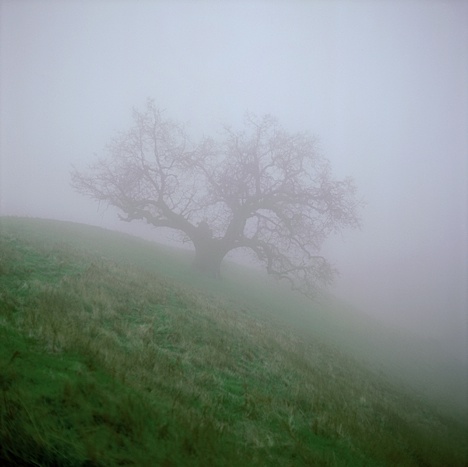
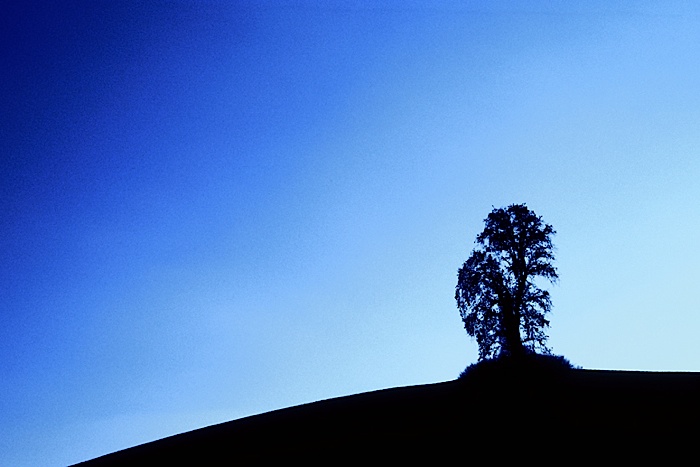
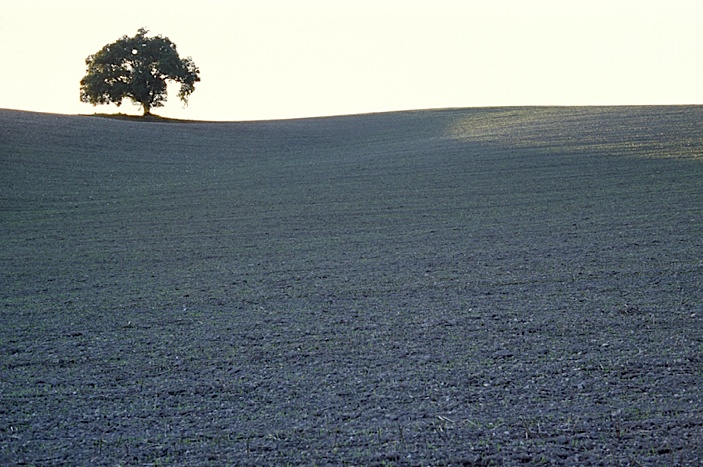
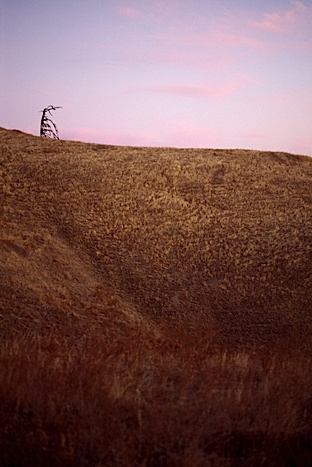
Using just a camera and film, what kind of image can be made?
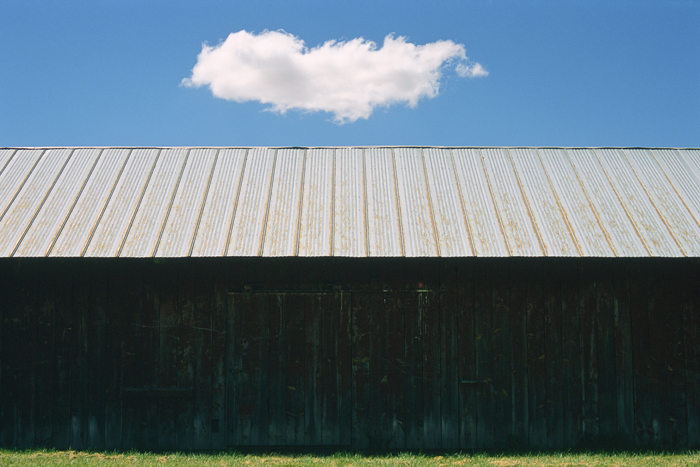
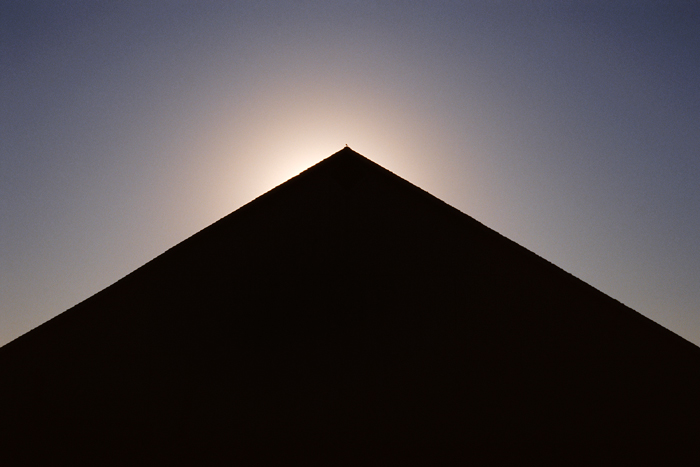
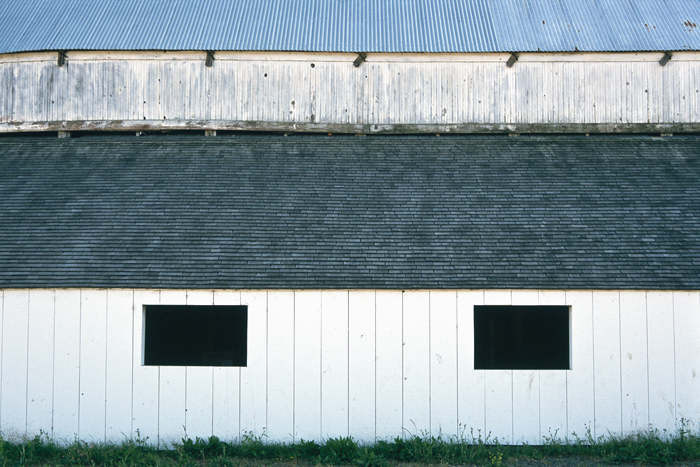
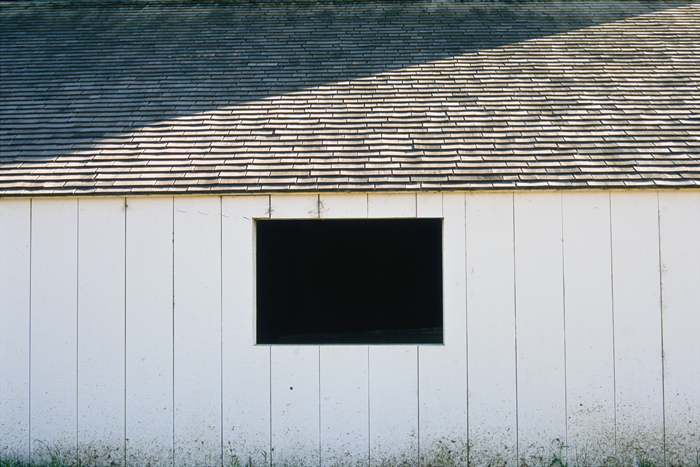
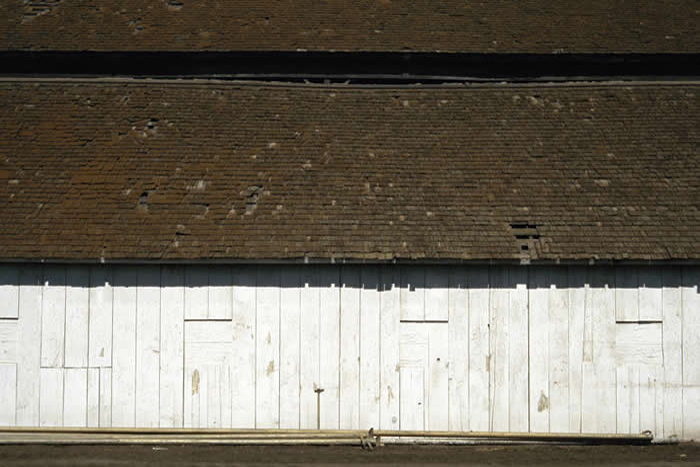
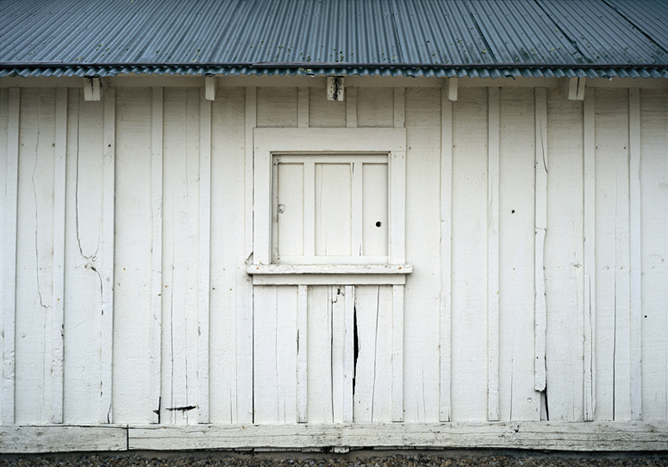
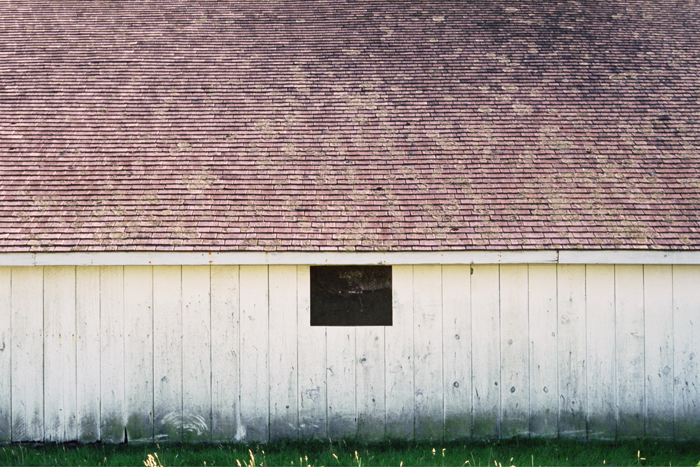
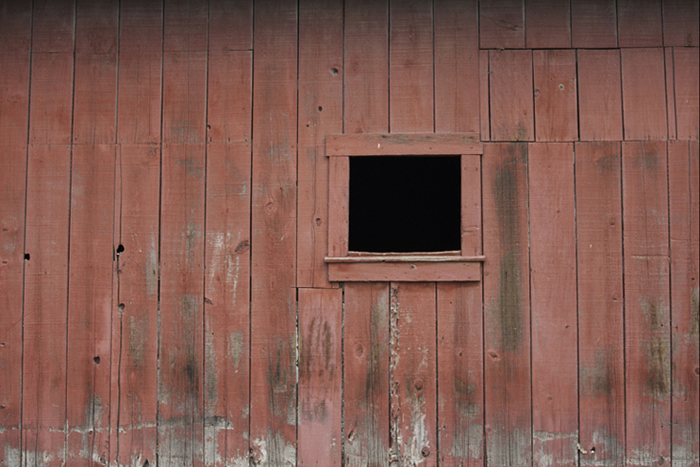
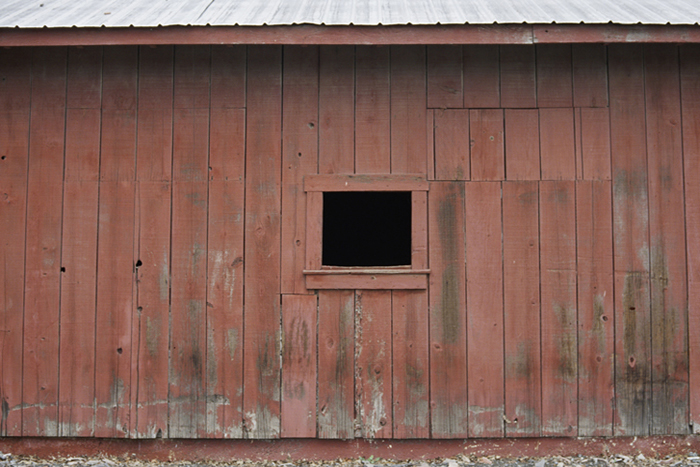
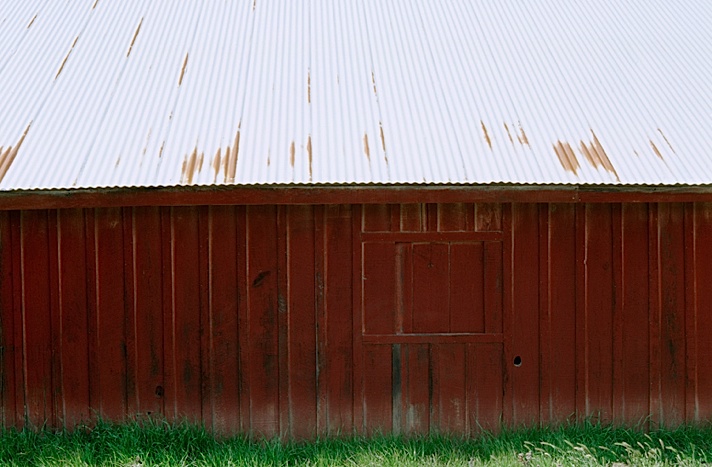
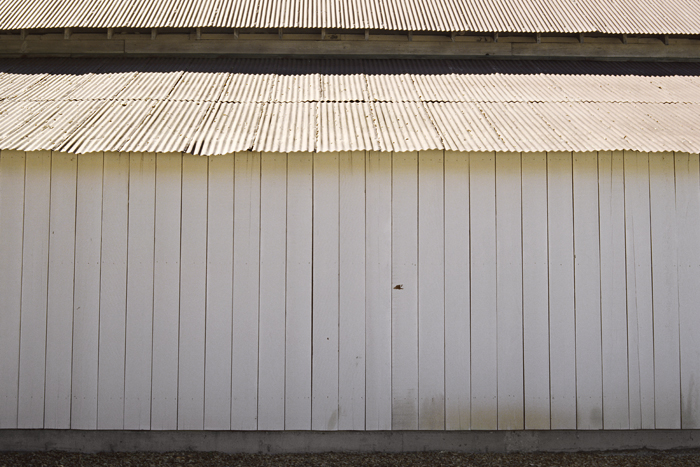
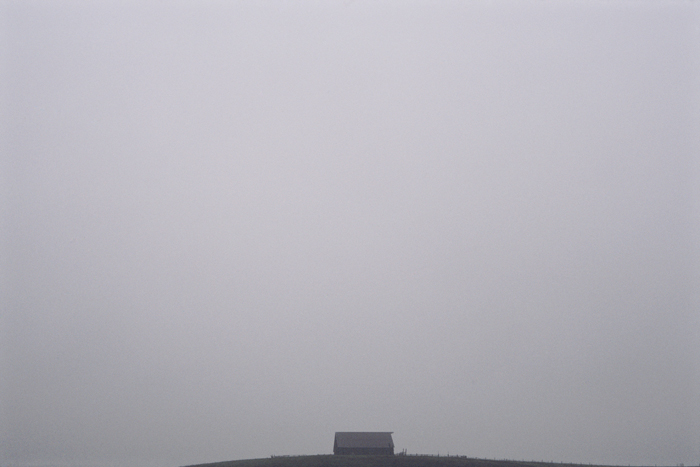
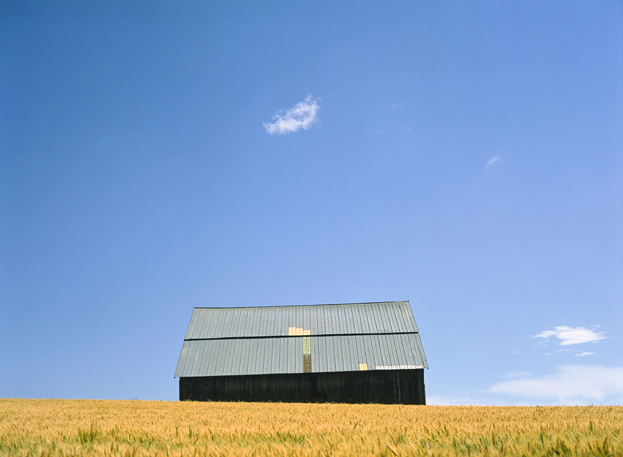
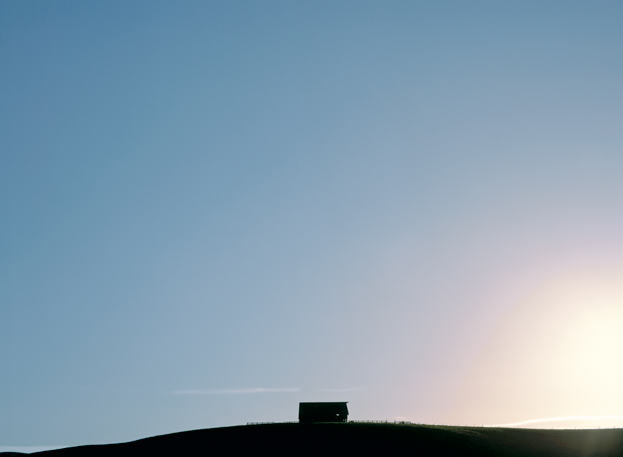
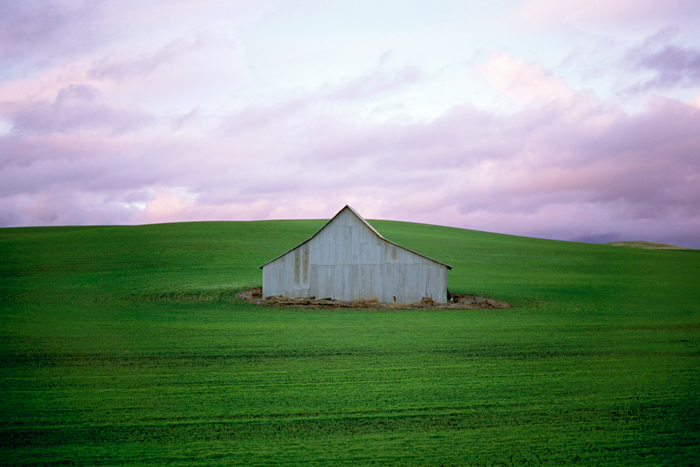
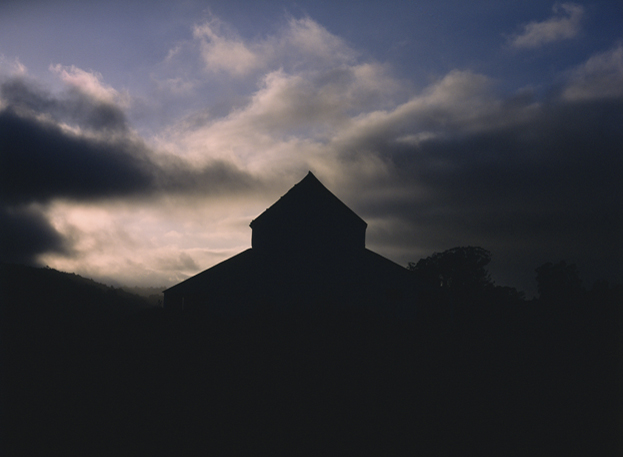
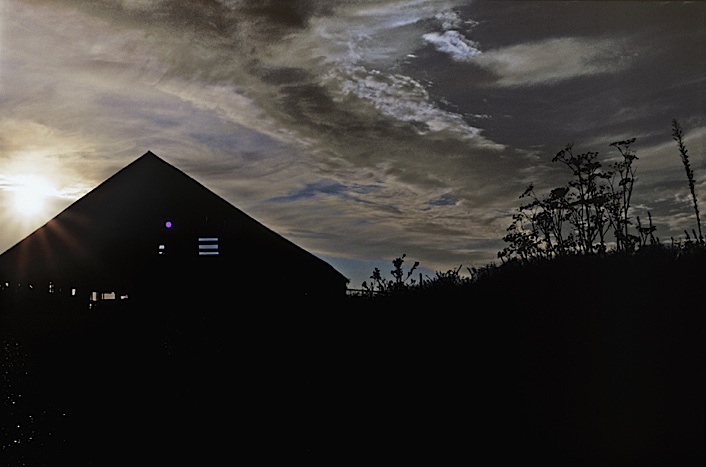
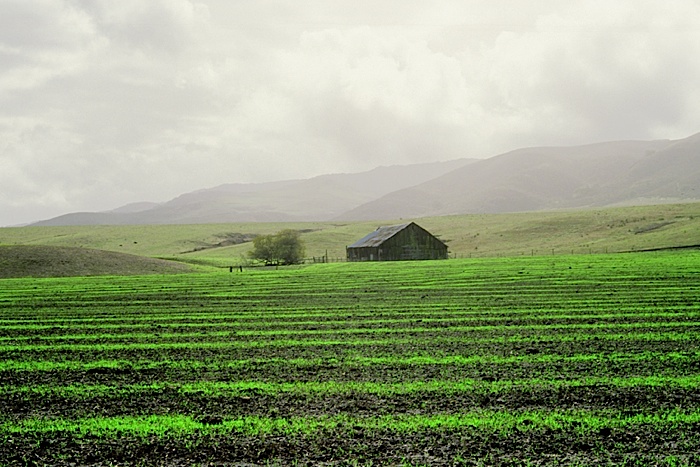
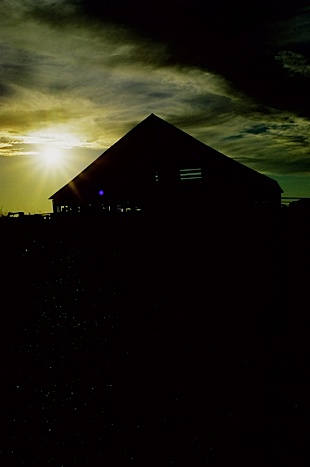
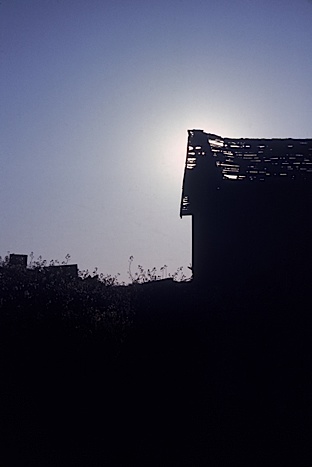
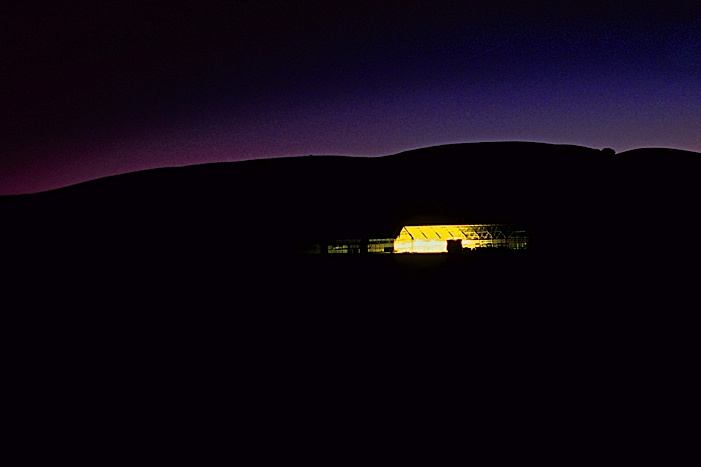
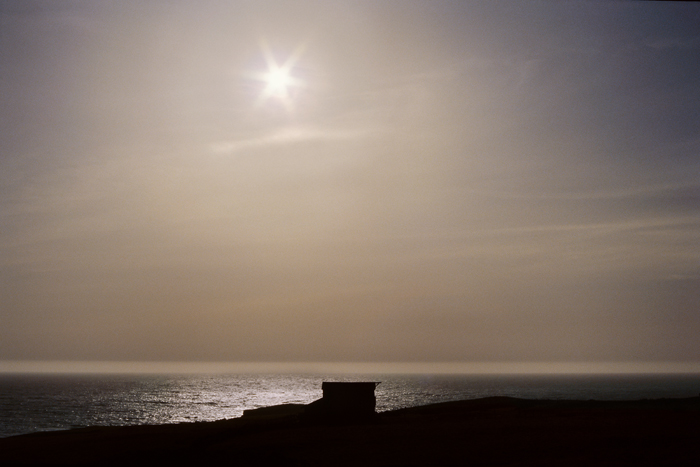
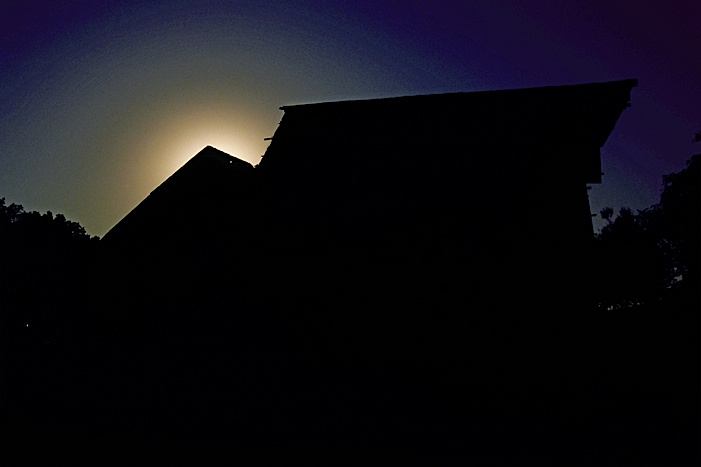
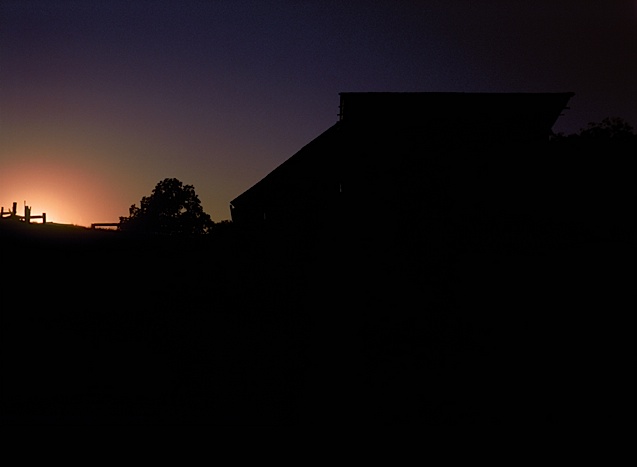
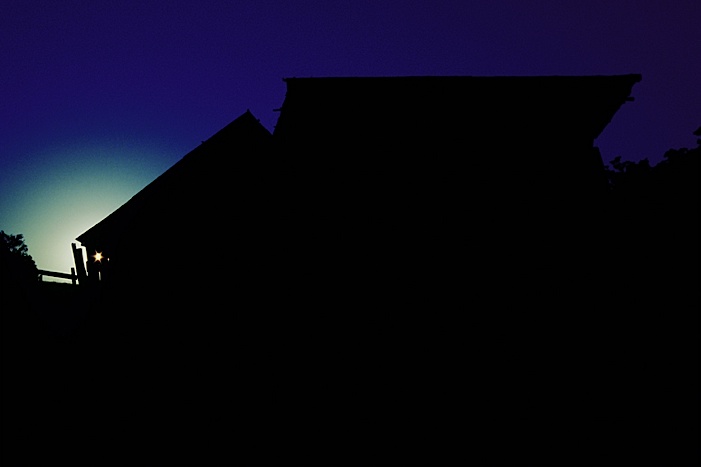
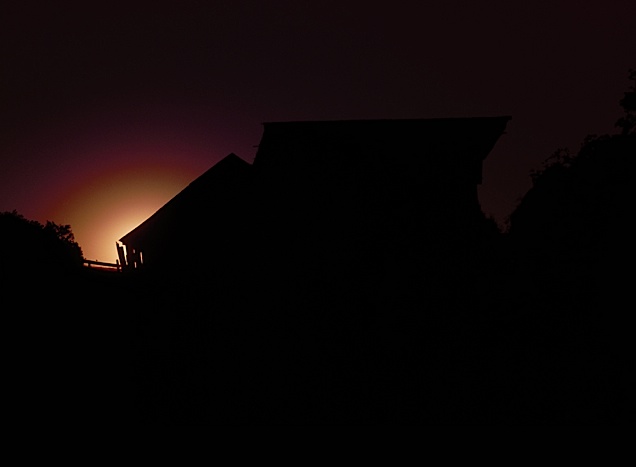
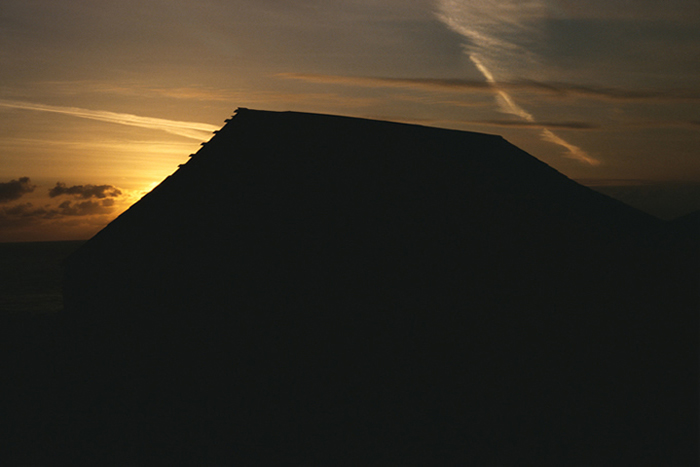
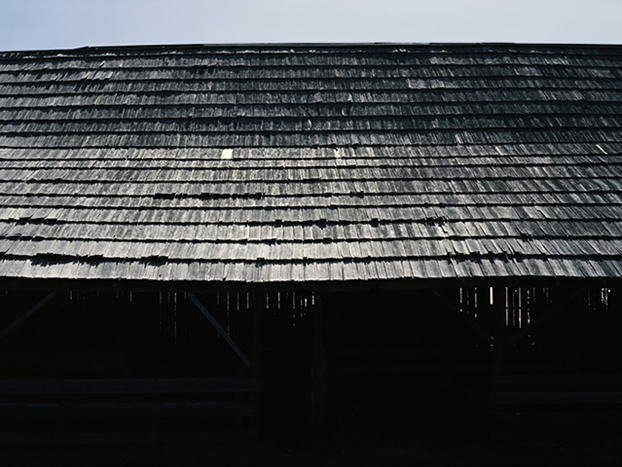
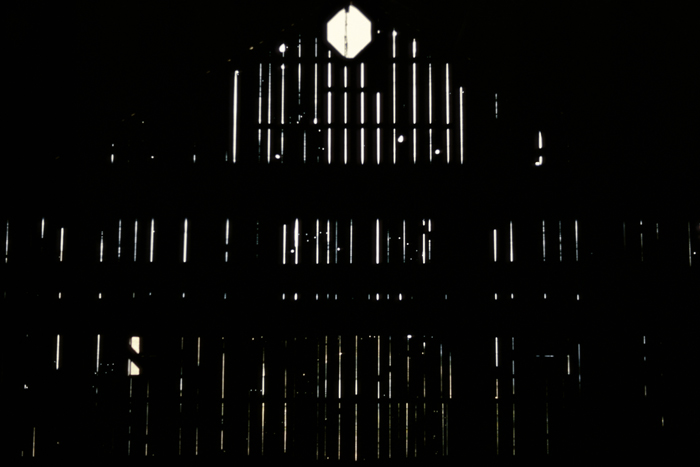
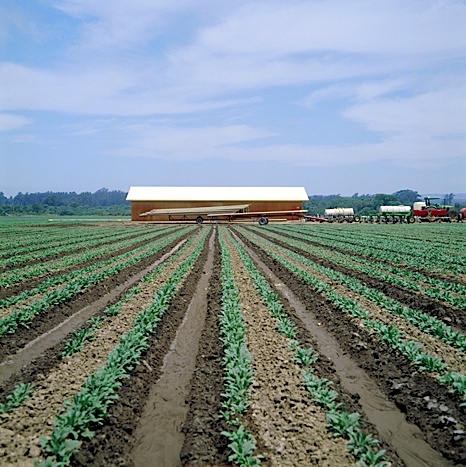
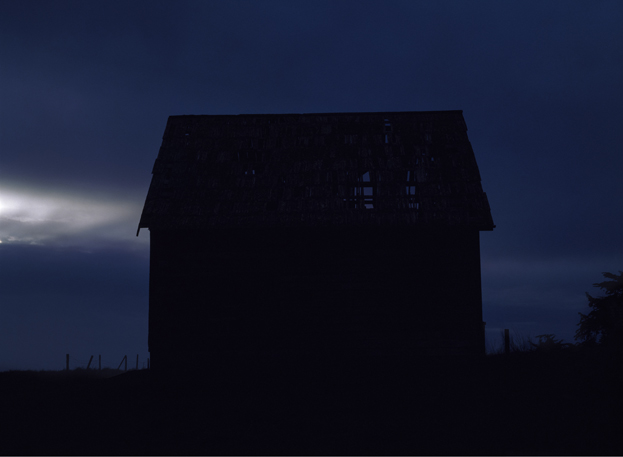
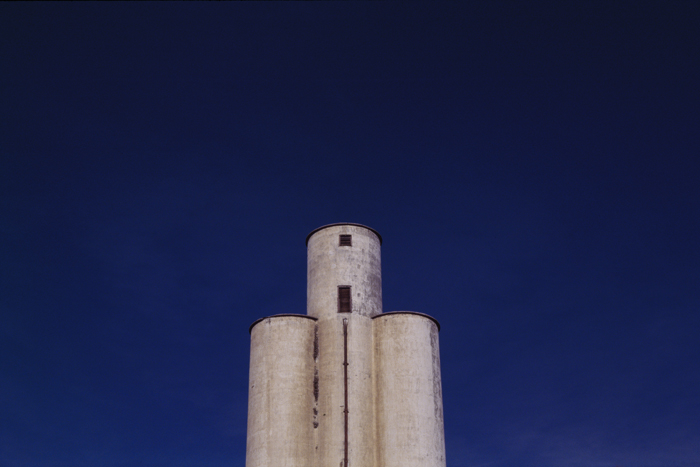
“James Cooper's twilit Barn #8 develops a distinctive visual language for capturing agricultural subjects through compositions reduced to simple shapes and geometric structures His approach emphasizes clear outlines, minimal detail, unexpected viewpoints, and abstract form, reprising the American Precisionist movement. This style draws connections to the photography of Paul Strand and parallels Ellsworth Kelly's barn photographs from the 1950s through the 1980s, where interlocking forms evoke the planes found in Kelly's own paintings and sculptures. Through his lens, Cooper transforms rural architecture into a study of essential form.”
Amy Gillette, Associate Curator, the Woodmere Art Museum, the Photo Review 2025 International Photography Competition exhibition at the Woodmere Art Museum
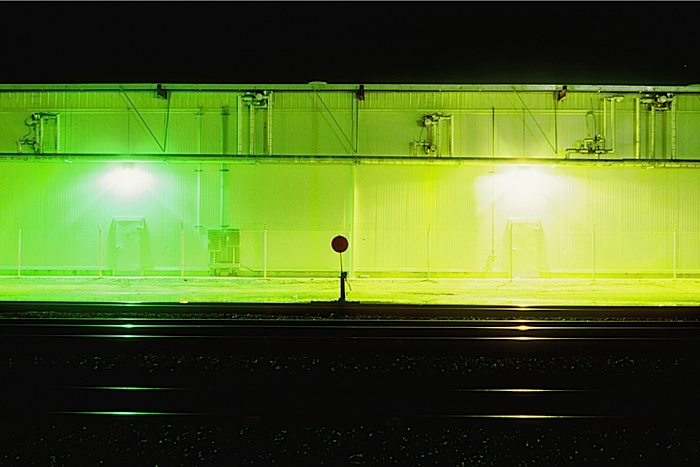
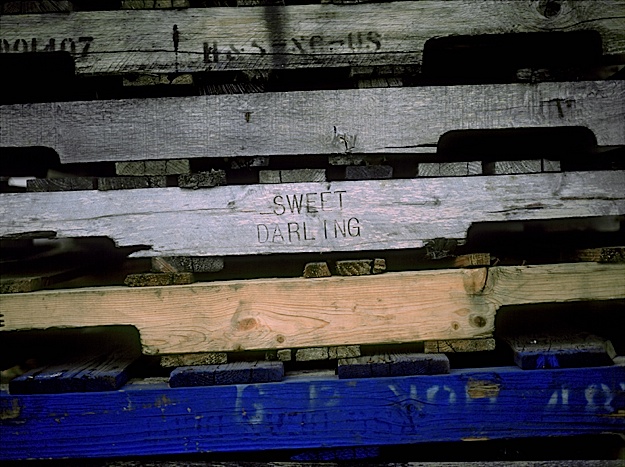
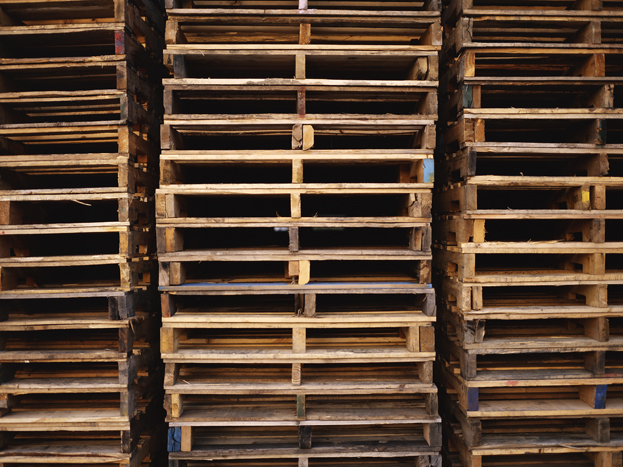
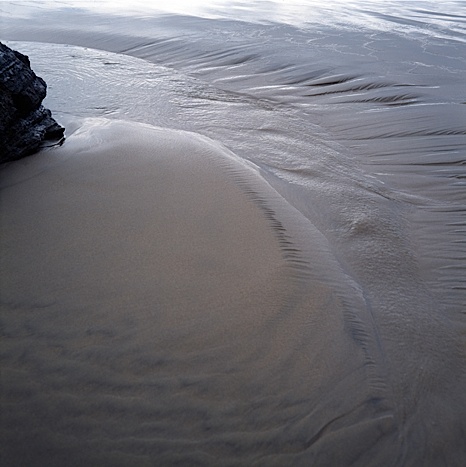
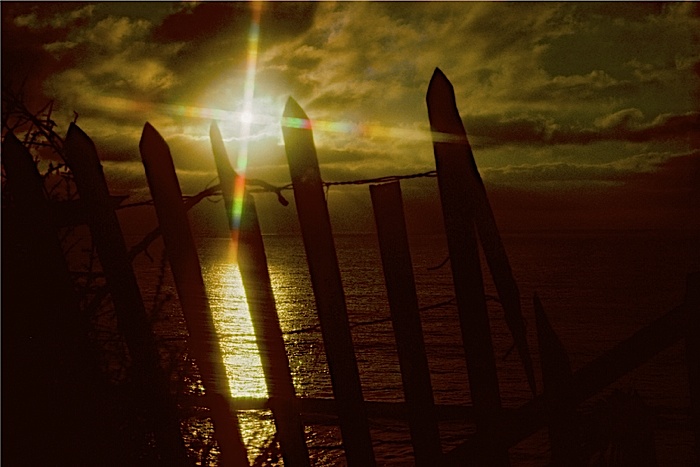
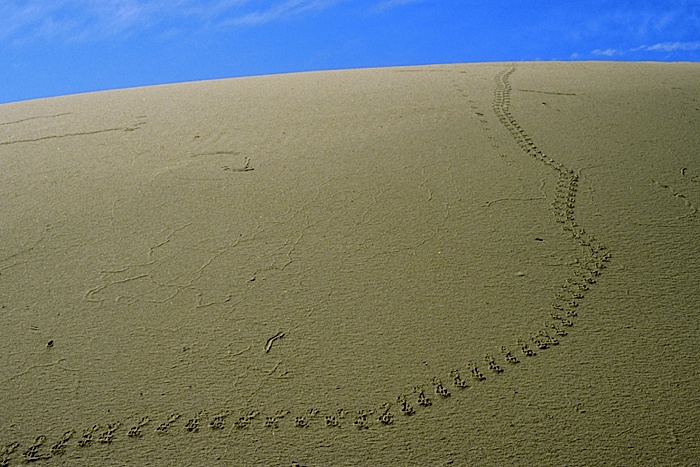
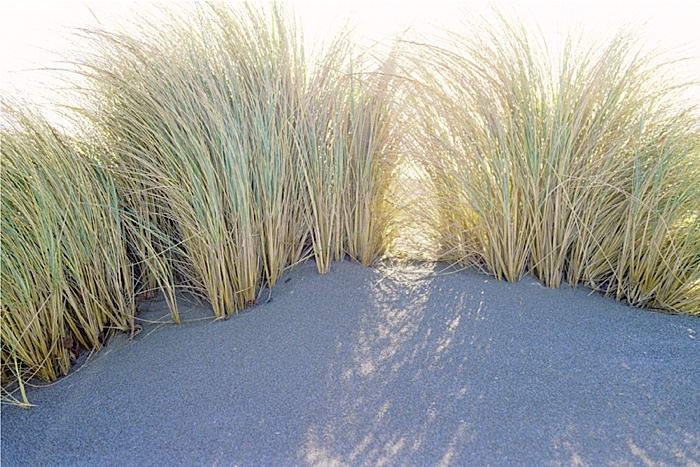
The photographic image should be an accurate record of what the camera and film captured. And, an image made with film has a certain feel to it. The image should be an experience - it should shift you. Maybe make you smile. Remember when you were a child how a simple little thing could galvanize your entire being - time stood still and you felt totally connected to the world - there was a feeling of total contentment?
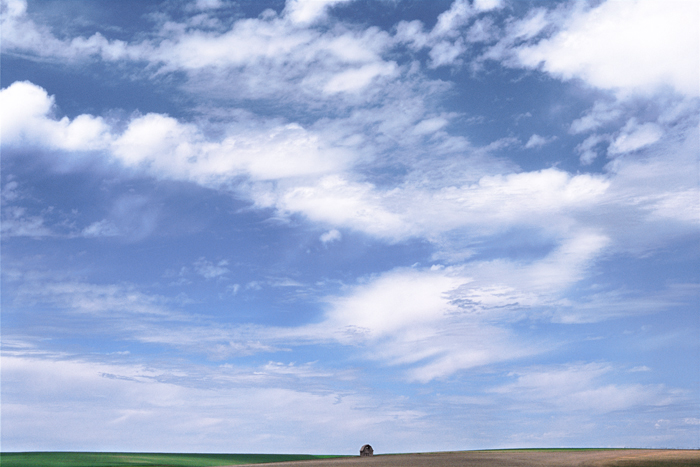
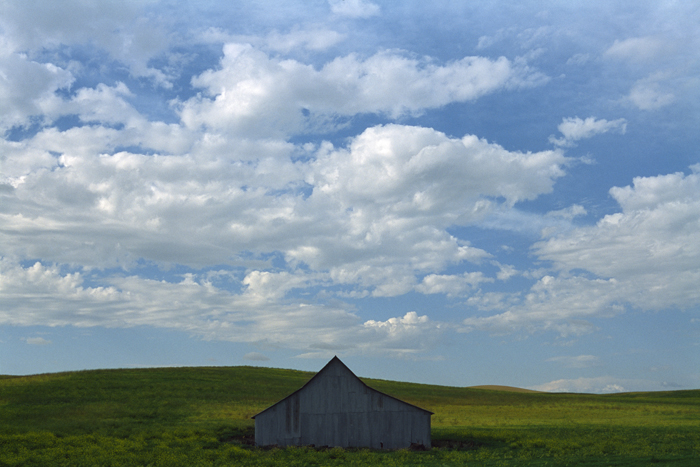
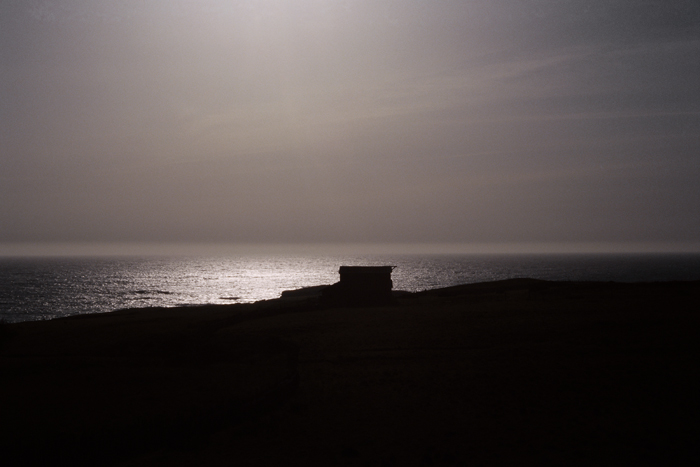
“Cooper’s unmanipulated C-print brilliantly utilizes extreme negative space and unexpected framing to distill the rural landscape into its most essential, abstract geometry. We are delighted by how the solitary structure, dwarfed by a vast and sweeping sky, masterfully evokes the Precisionist tradition while offering a profound, contemplative meditation on scale, isolation, and beauty.”
Kita Das, PhD, Director of The Homiens and Ol James, PhD, co-curators, the Homiens Art Prize, commentary on Barn #6
A transparency film image processed through standard chemistry, with the absolute minimum disturbance of the captured image during the processing and finishing stages, is the paradigm for an unmanipulated image. So, just a camera and some film.
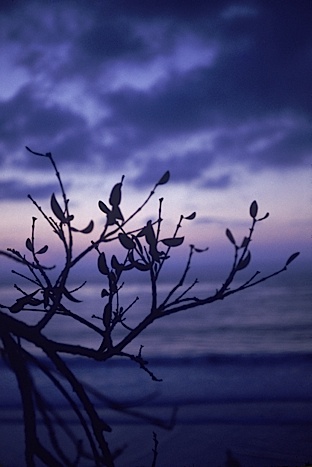
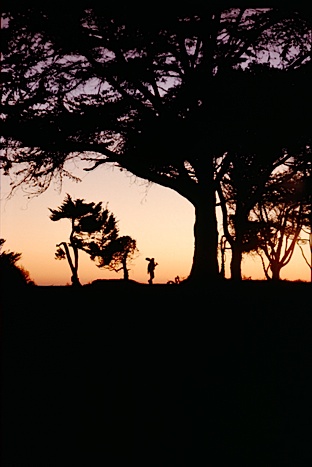
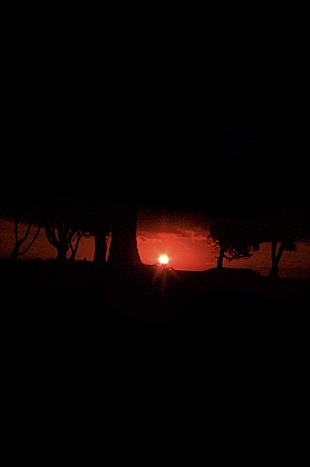
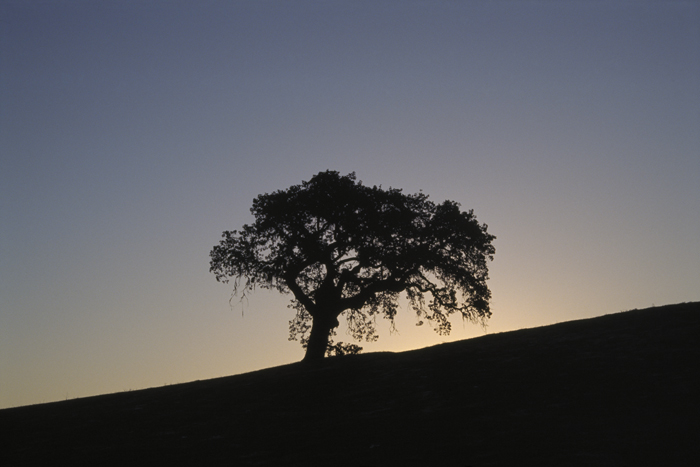
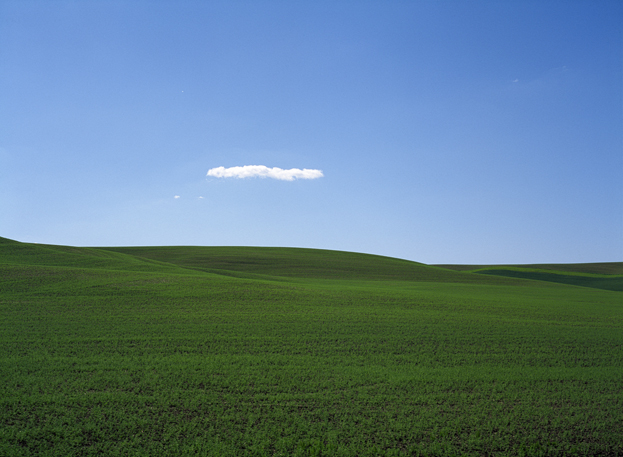
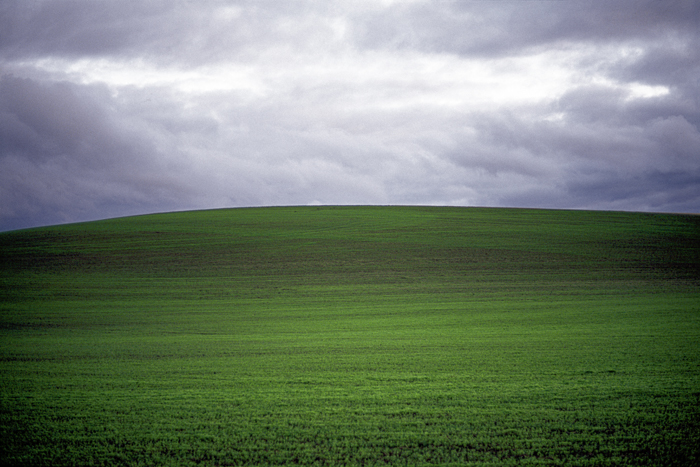
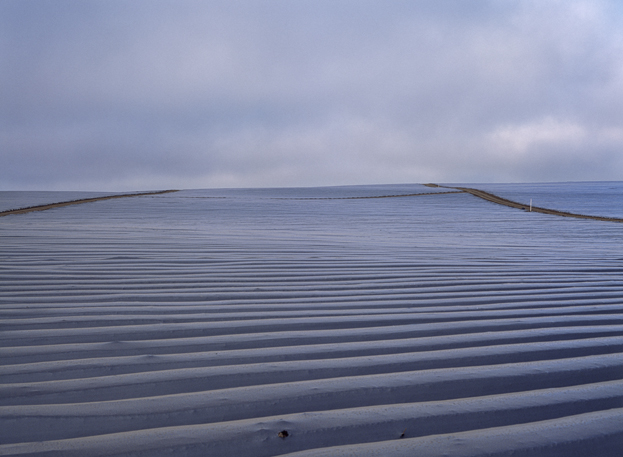
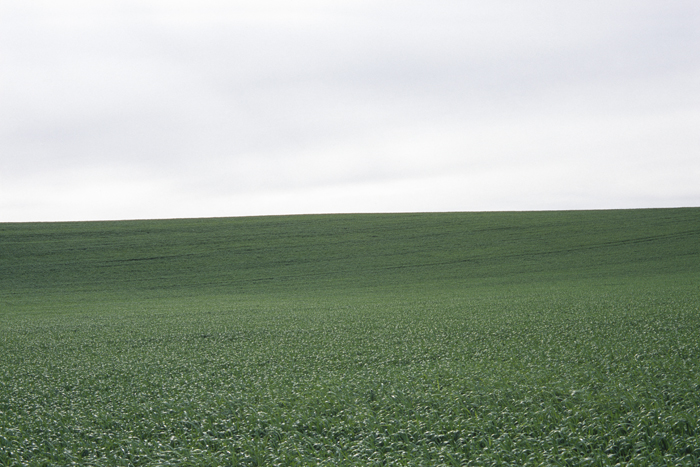
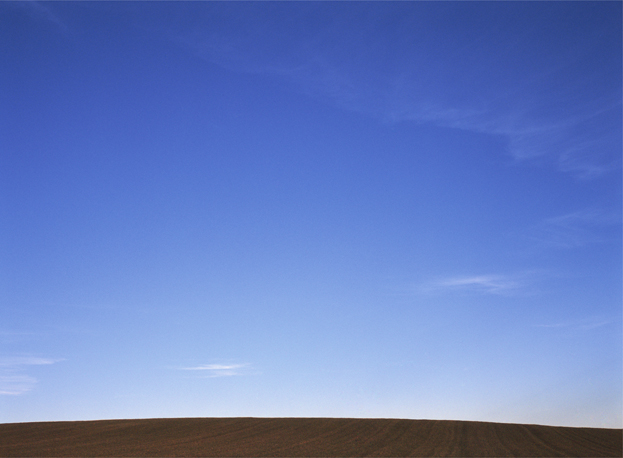
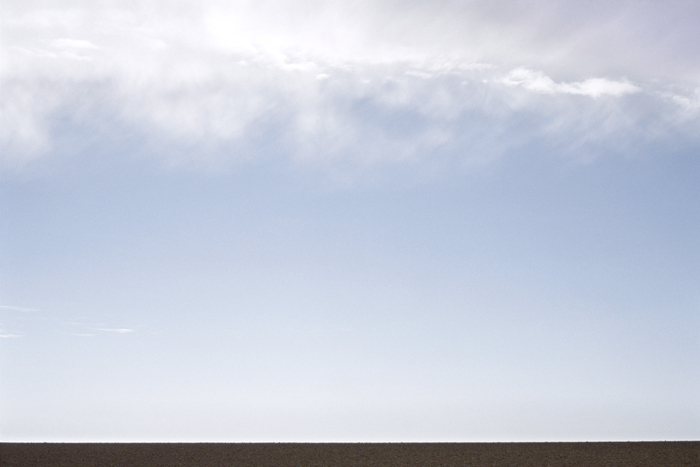
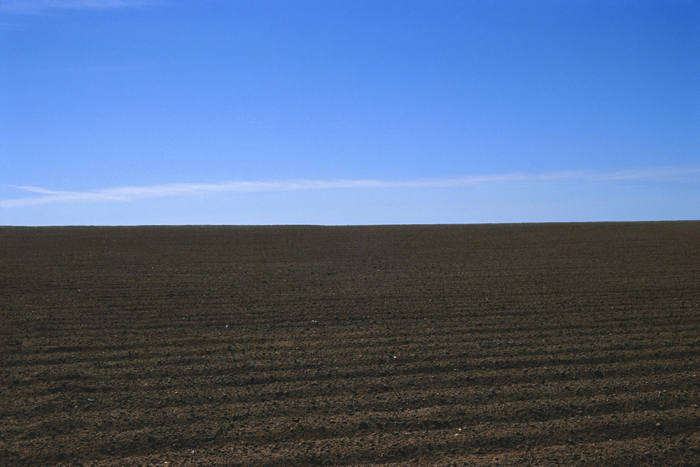
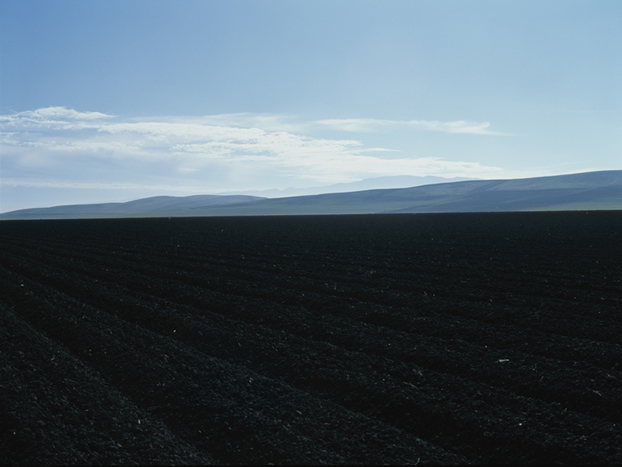
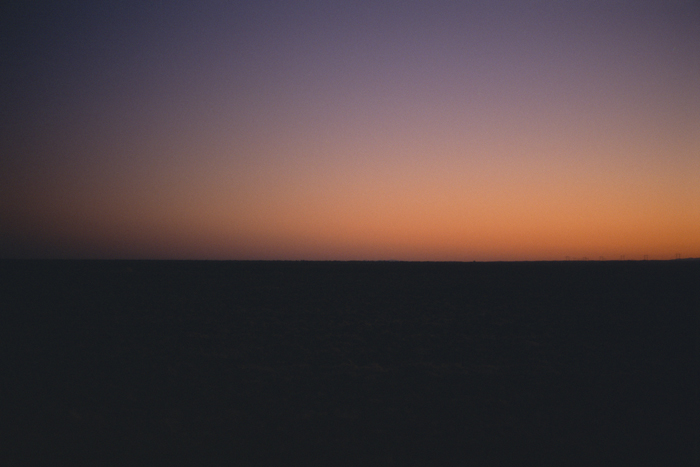
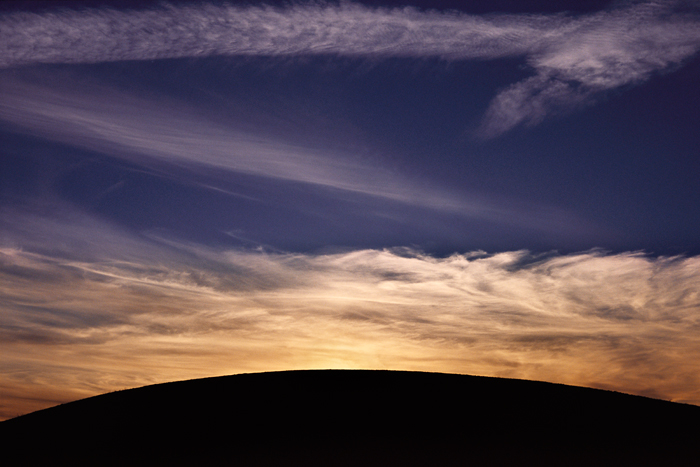
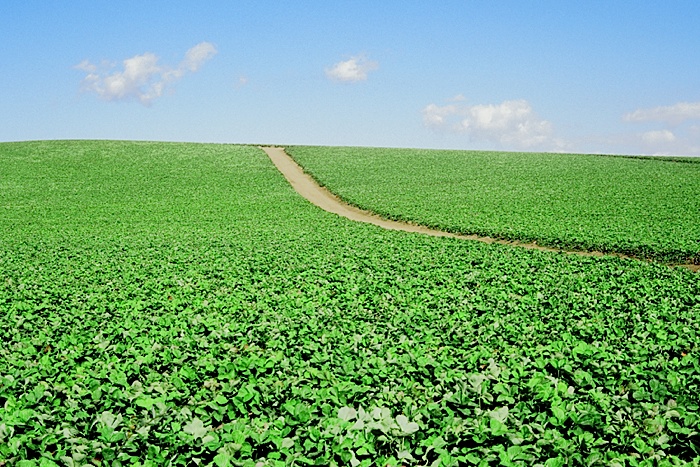
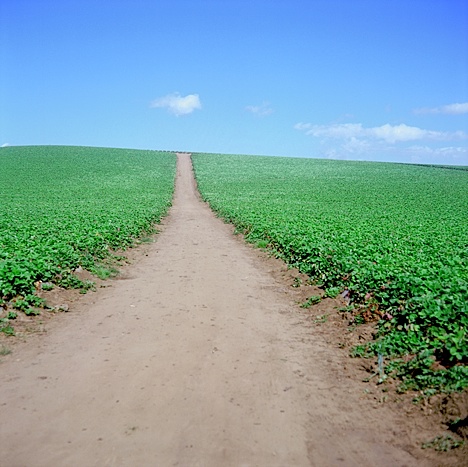
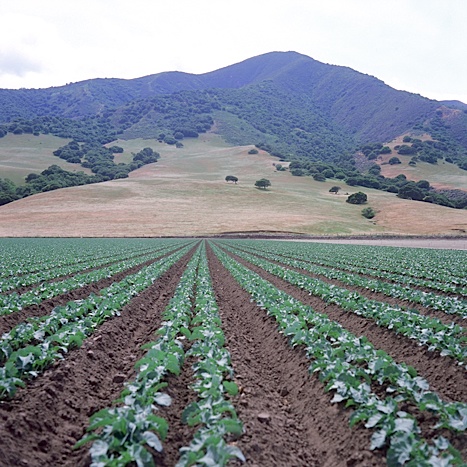
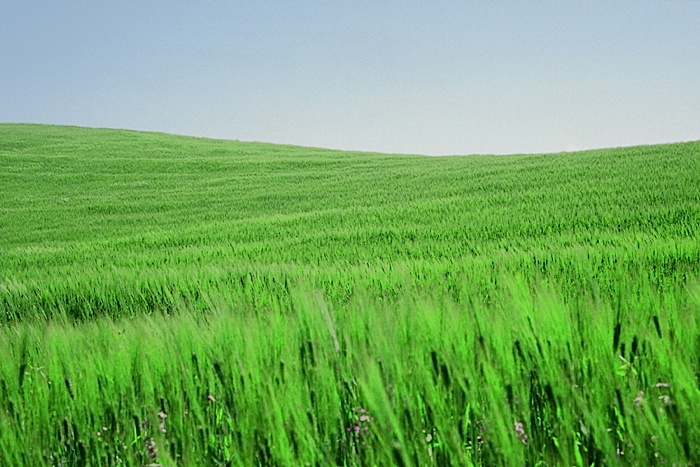
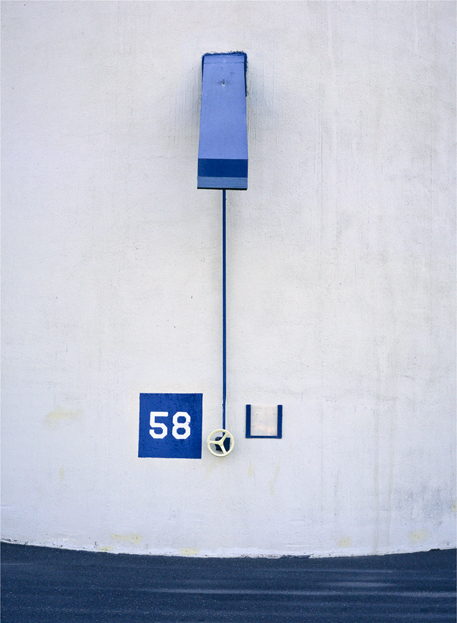
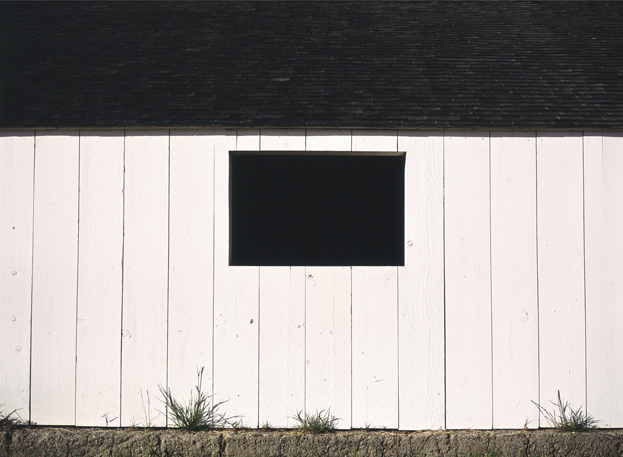
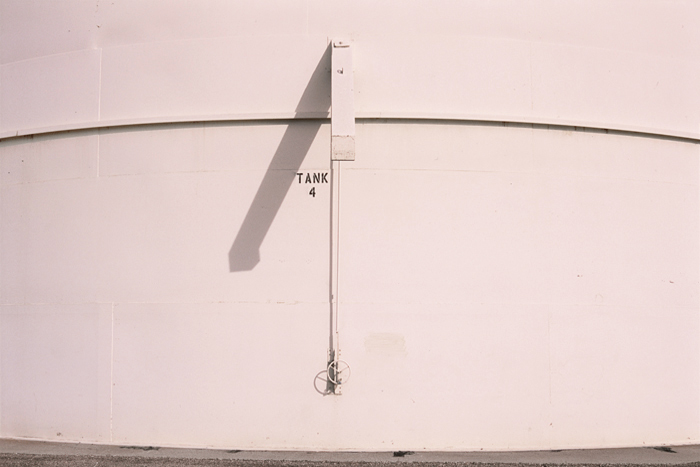
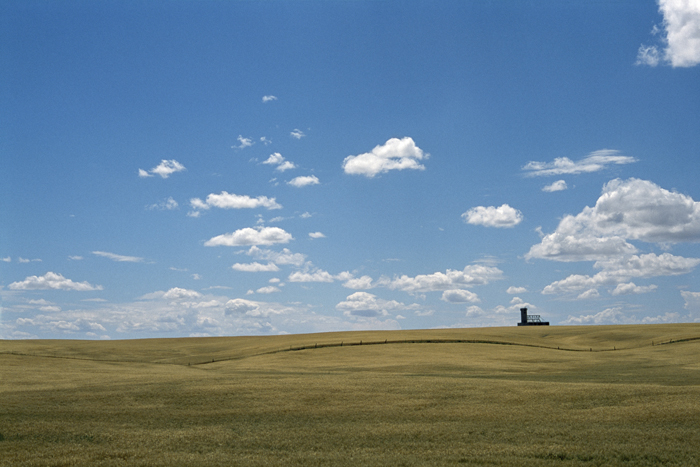
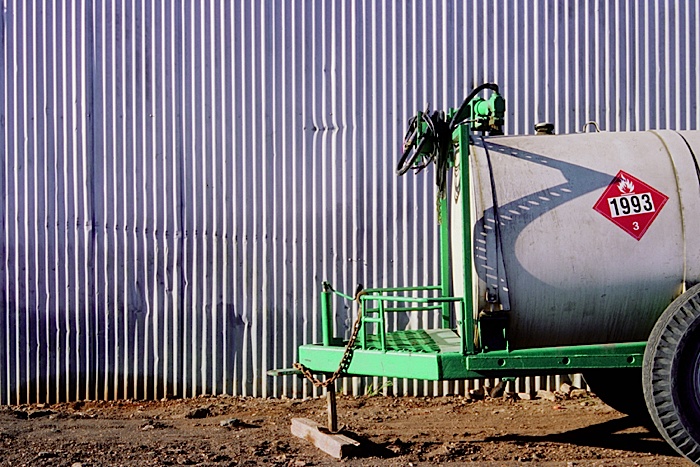
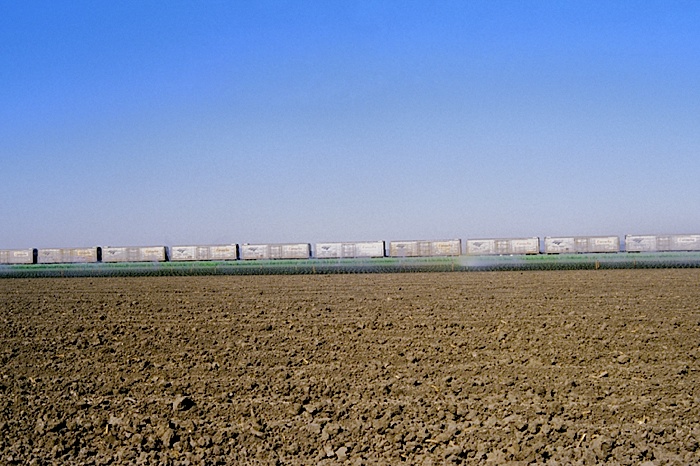
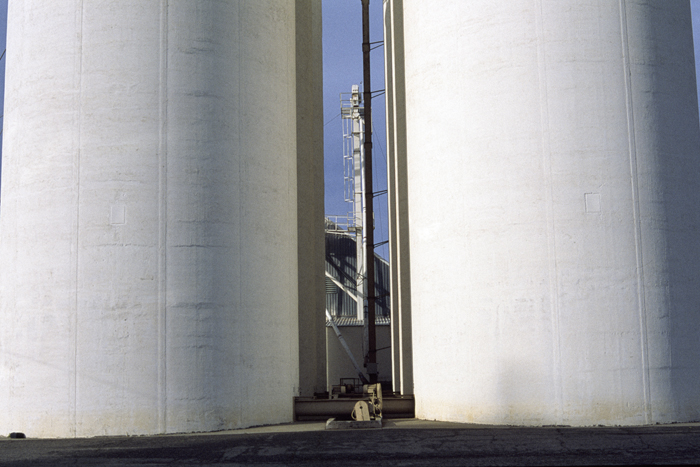
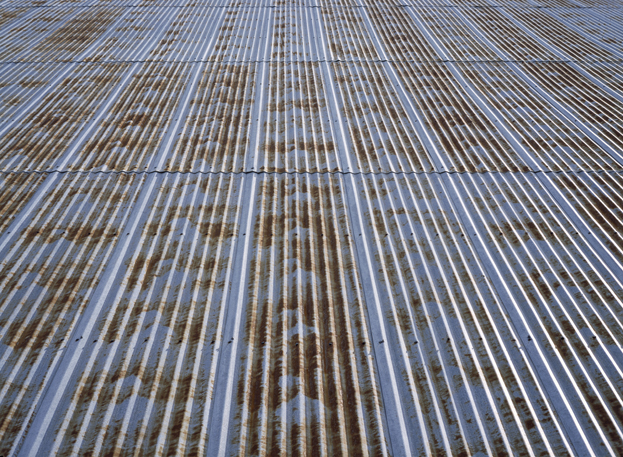
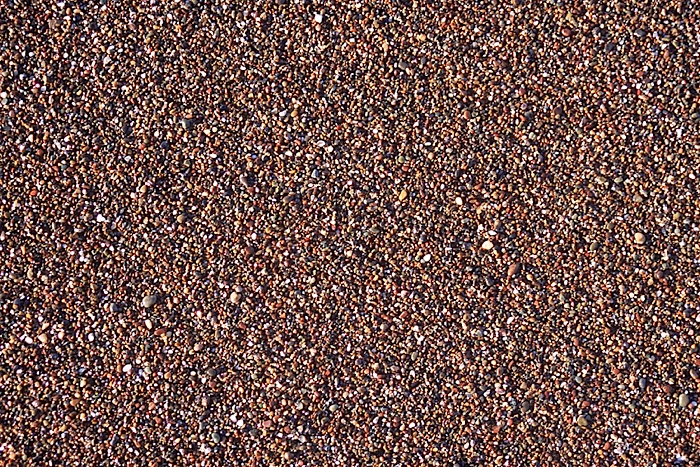
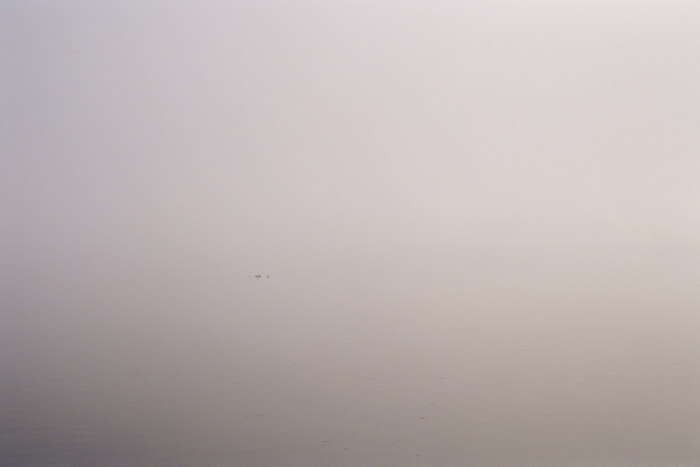
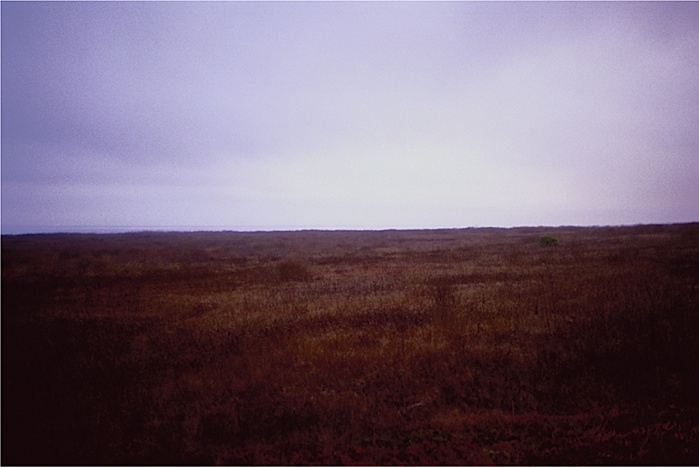
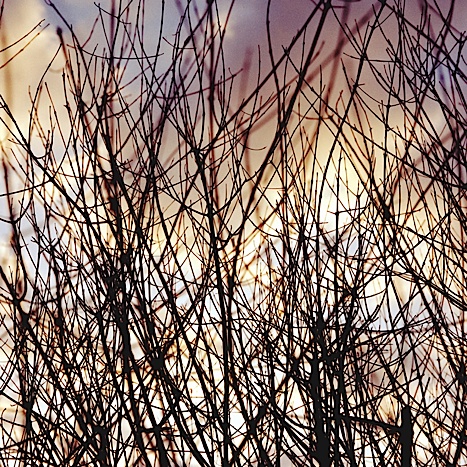
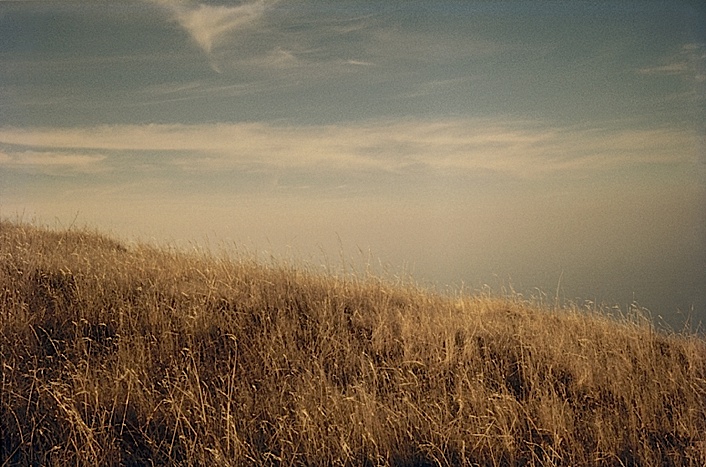
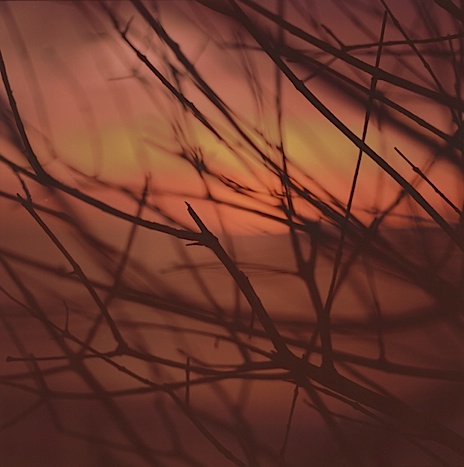
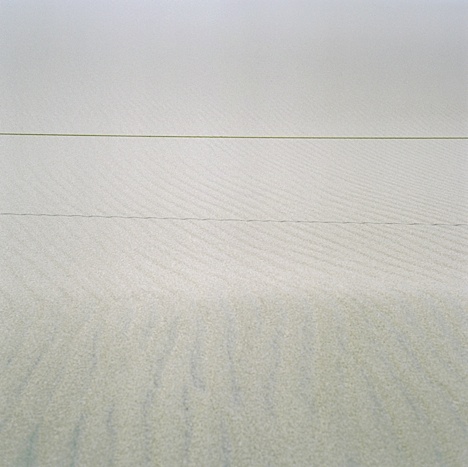
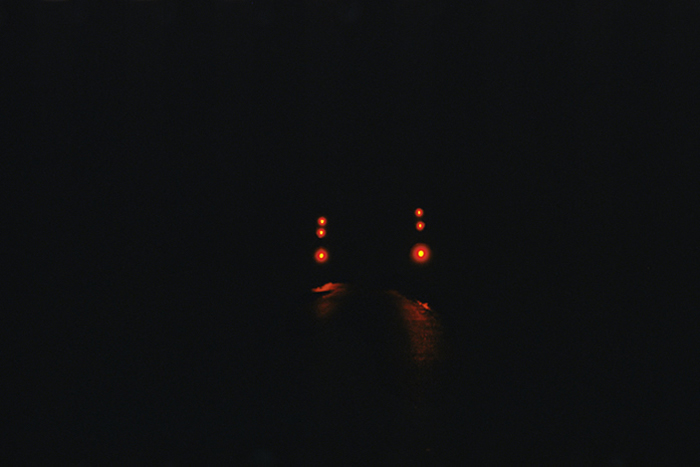
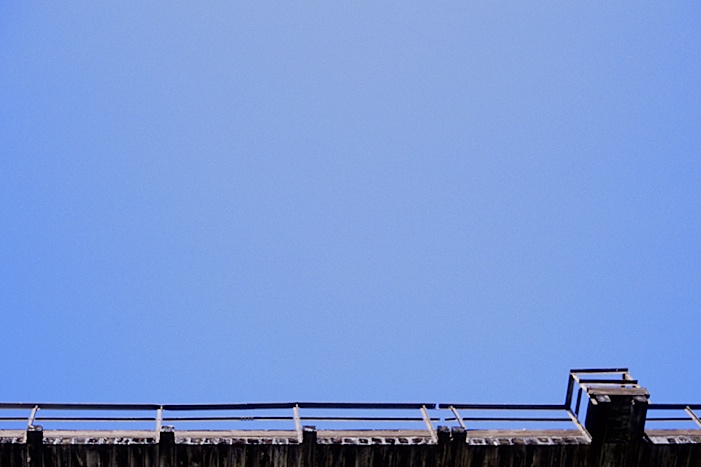
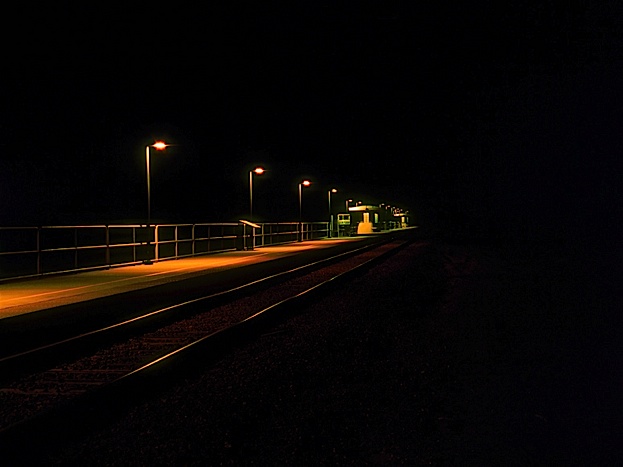
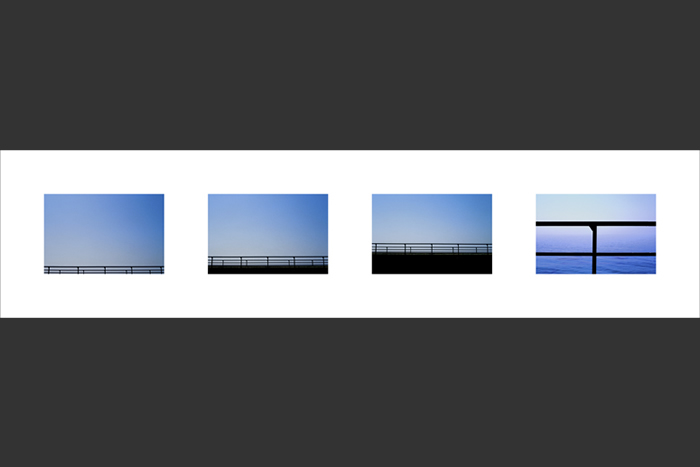
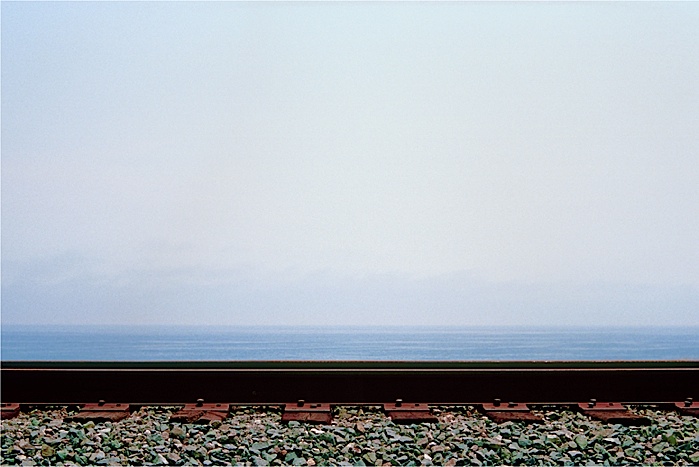
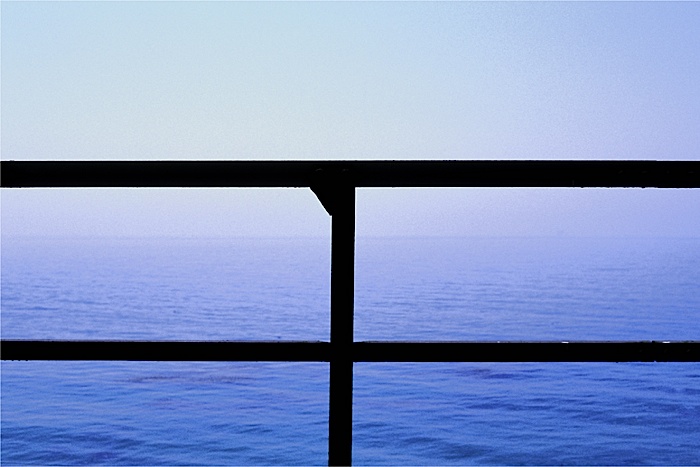
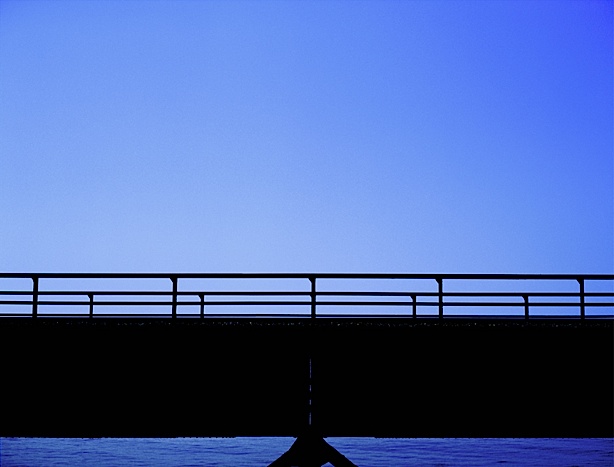
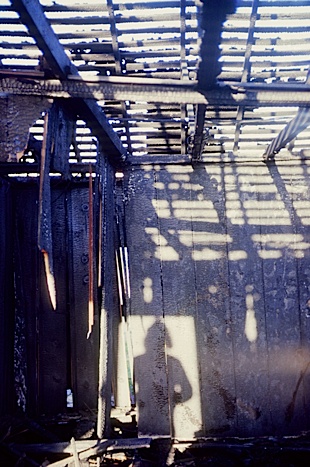
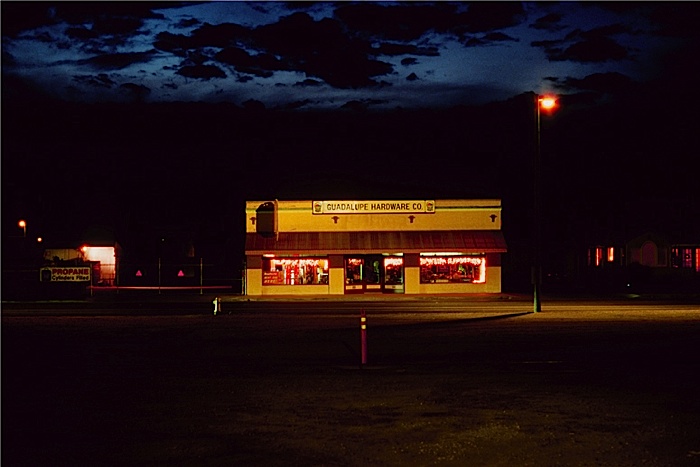
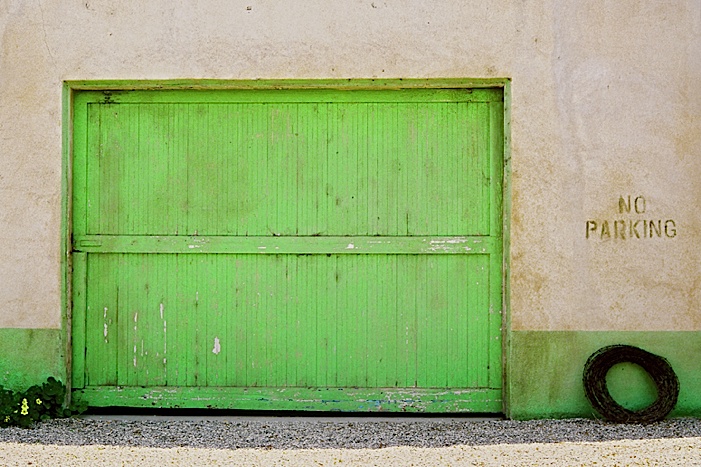
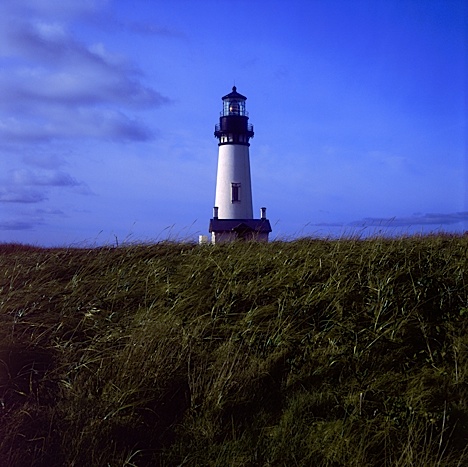
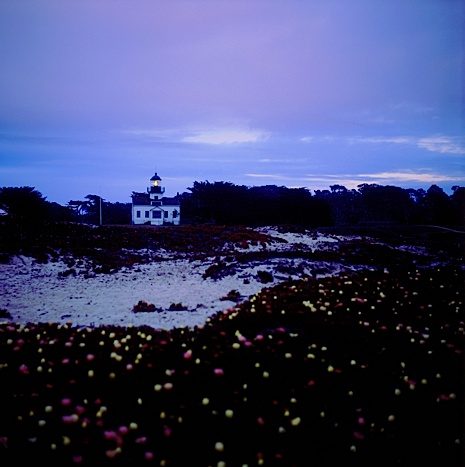
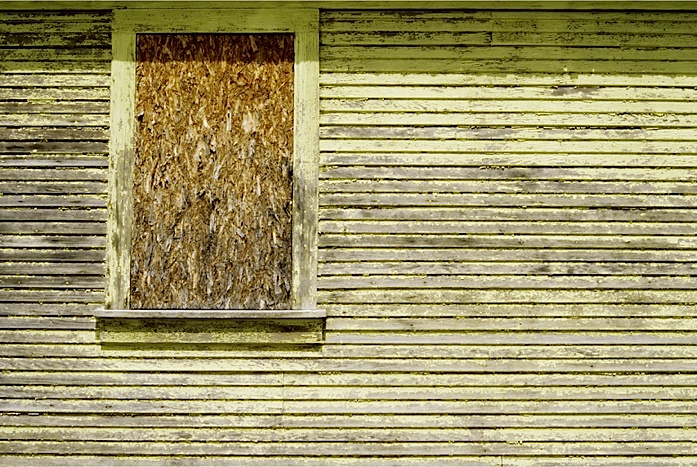
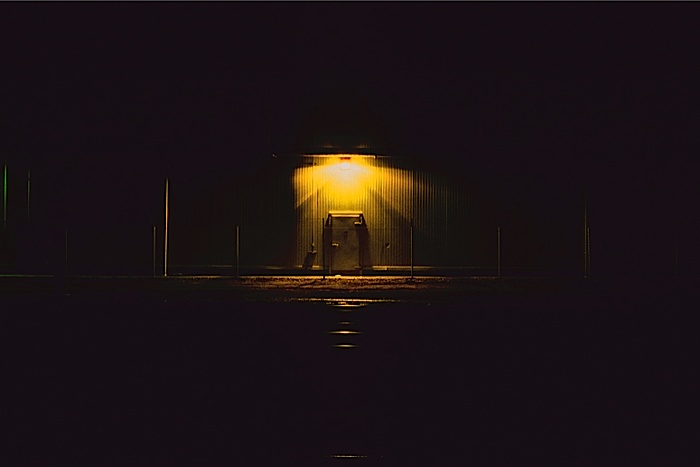
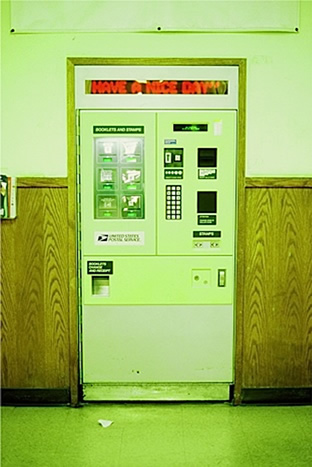
The body of work consists of five ongoing series: Agriculture, Color Fields, Landscapes, Structures, and Trees.
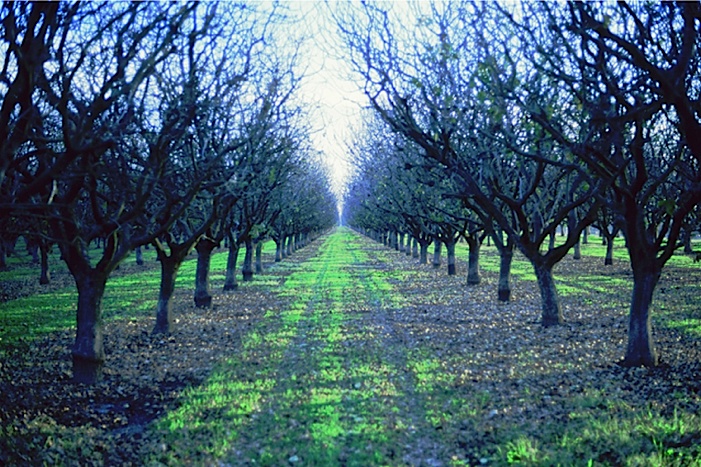
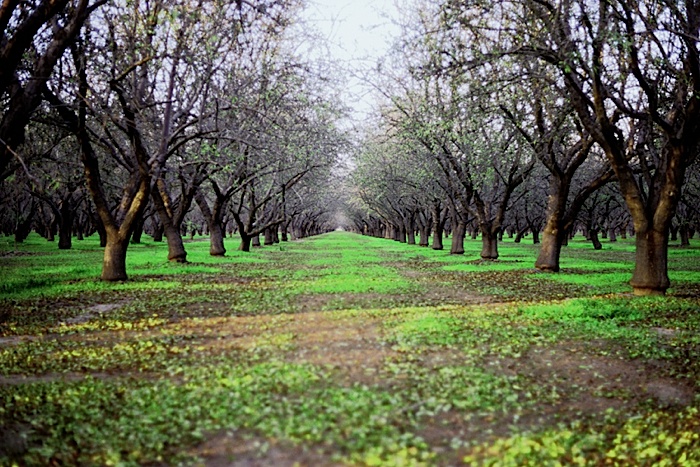
Agriculture - Agricultural Fields
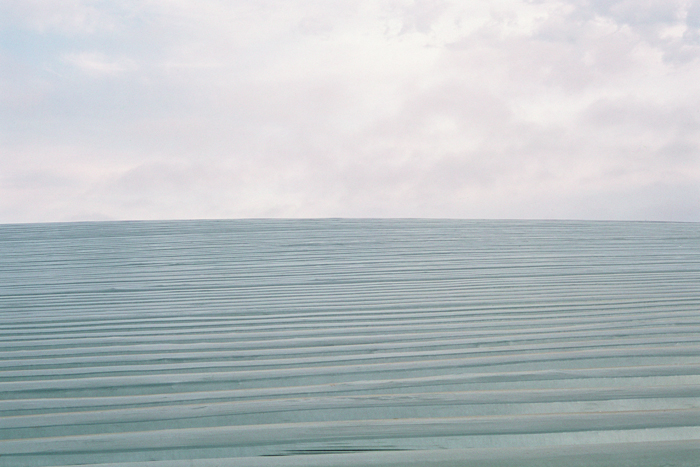
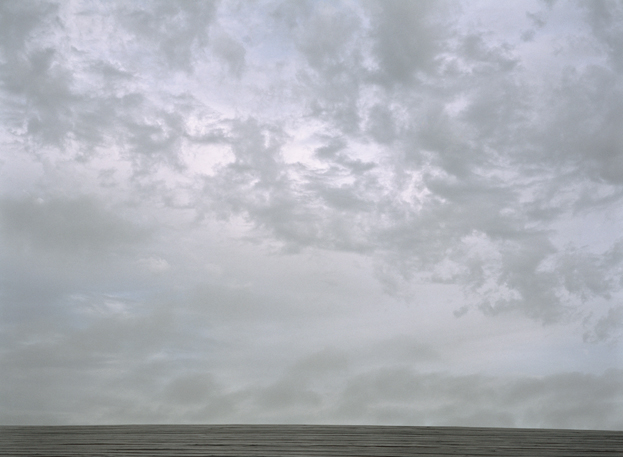
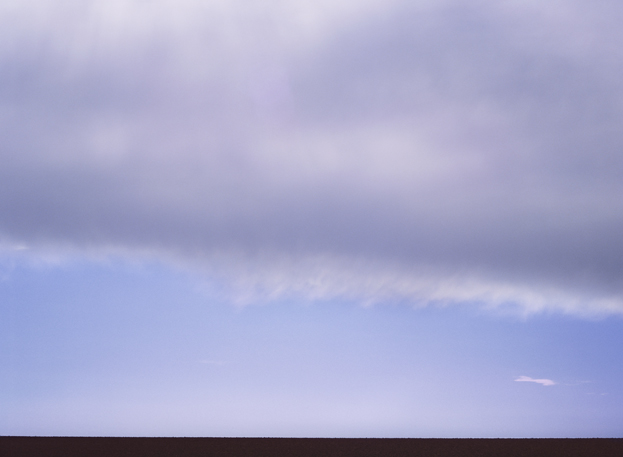
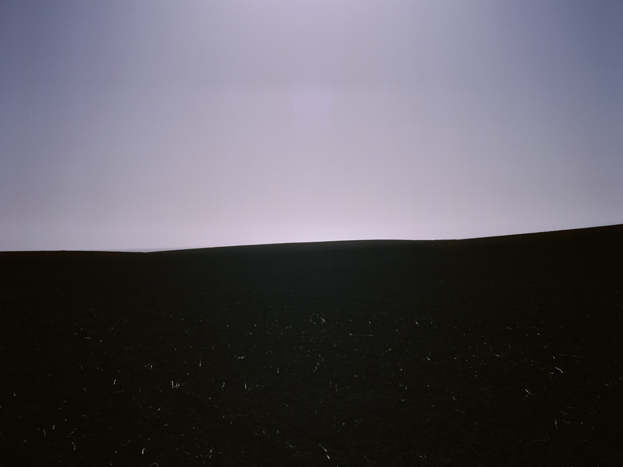
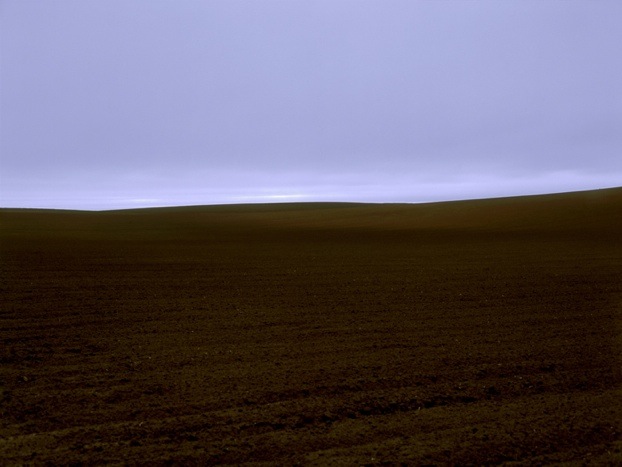
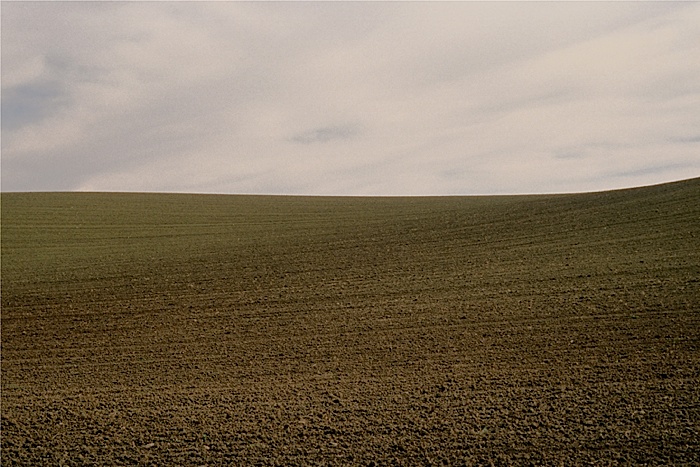
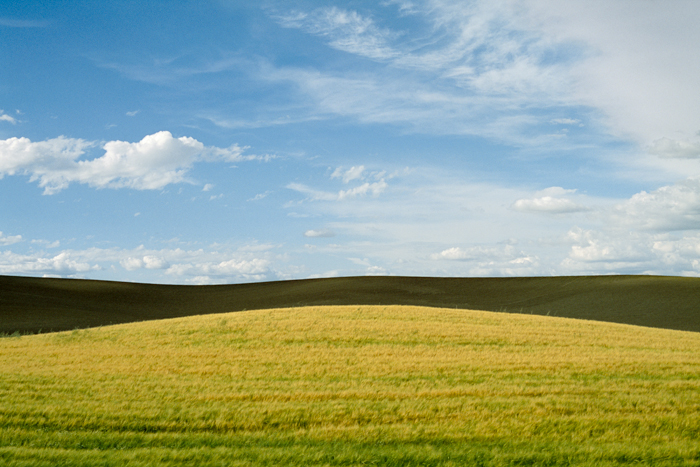
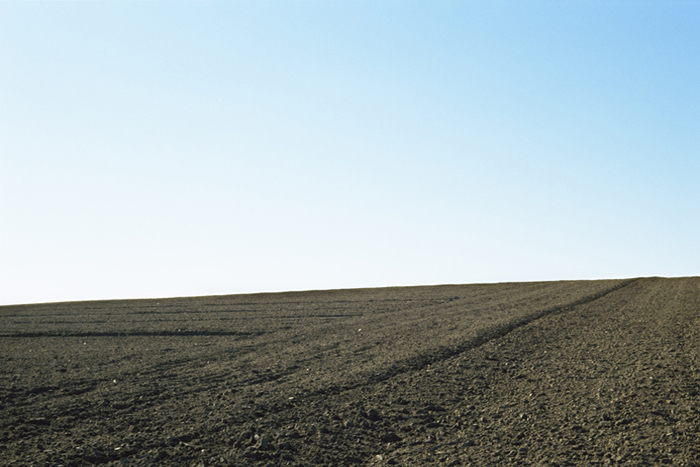
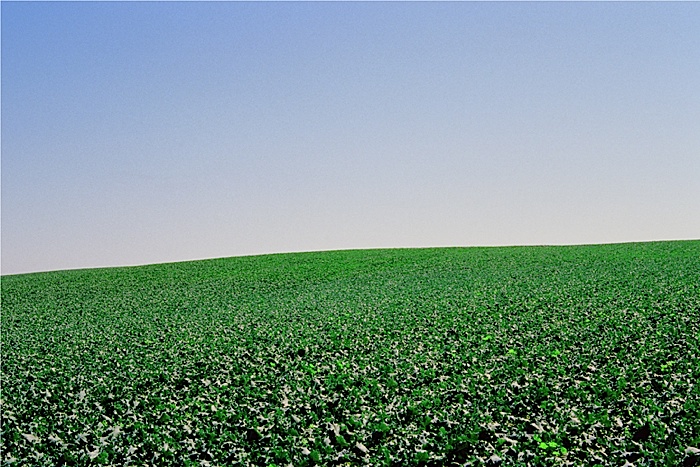
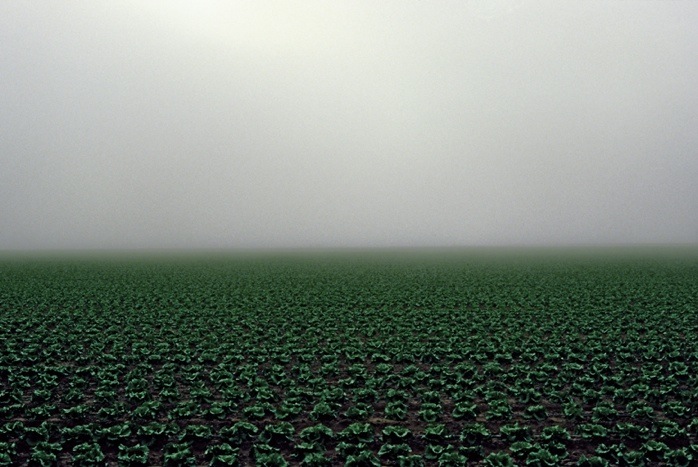
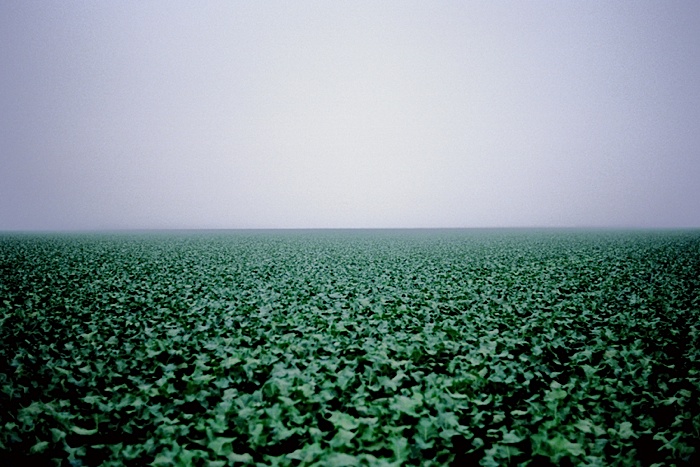
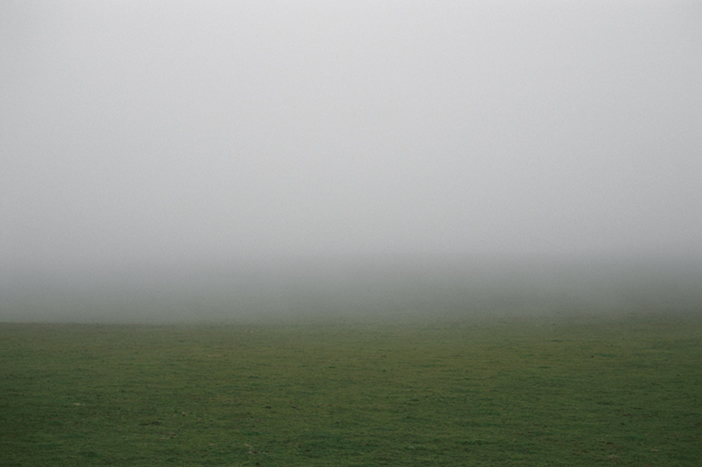
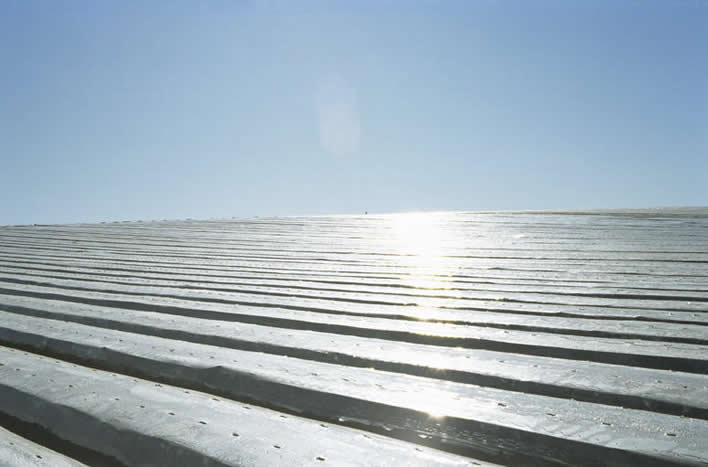
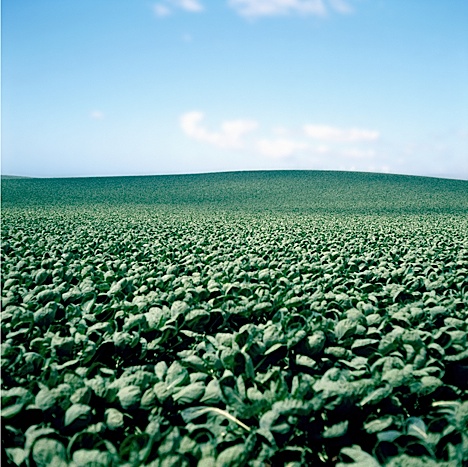
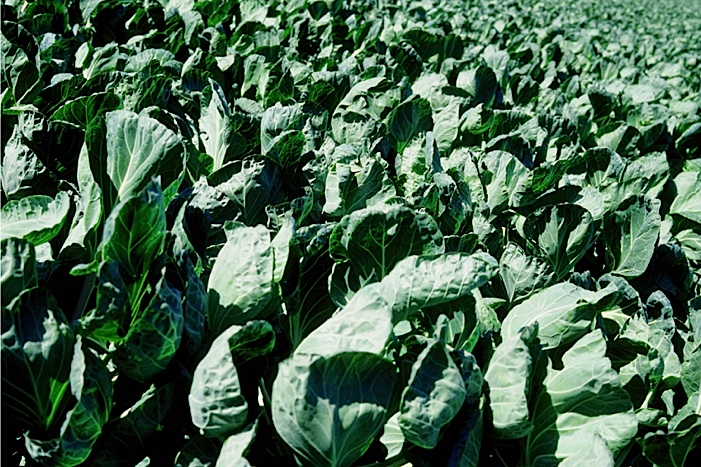
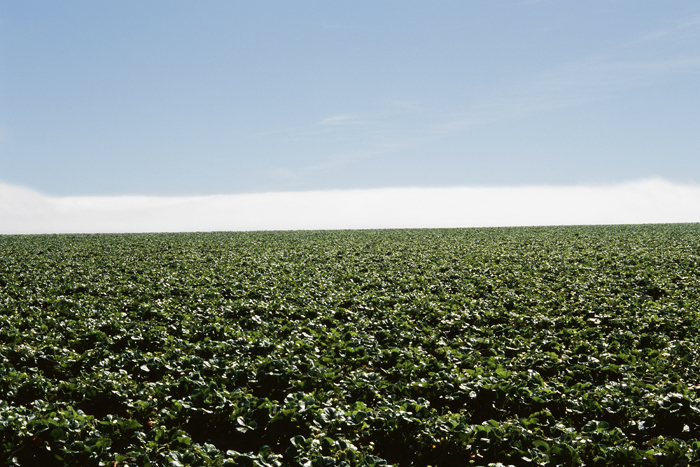
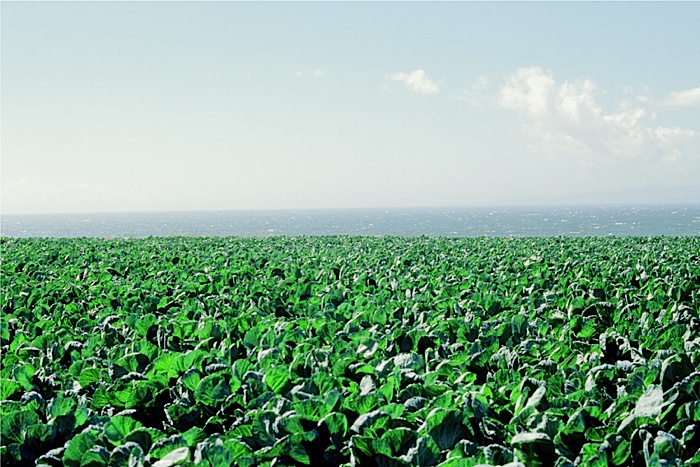
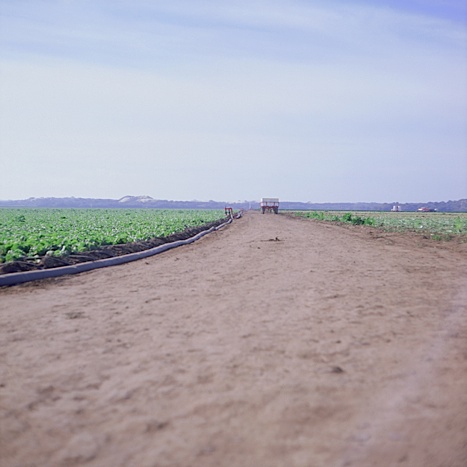
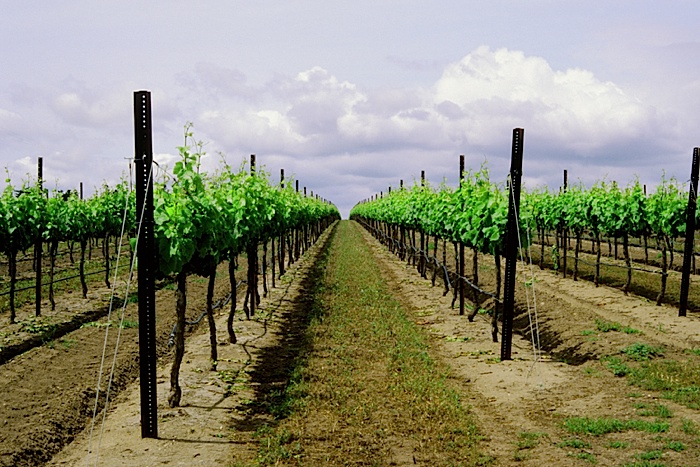
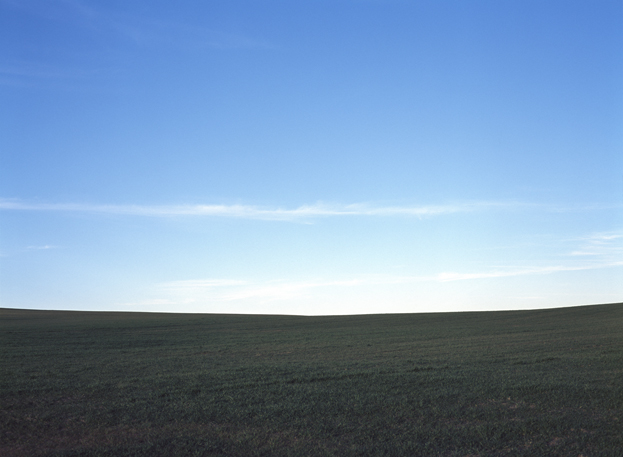
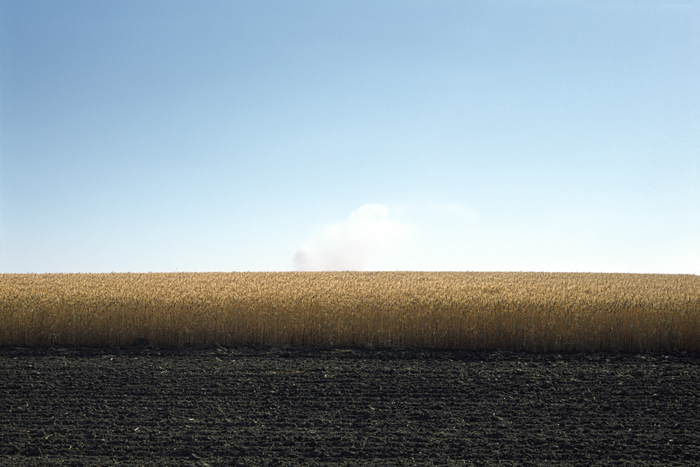
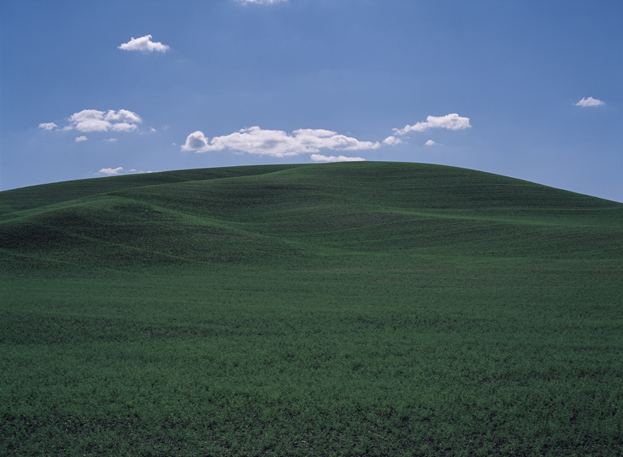
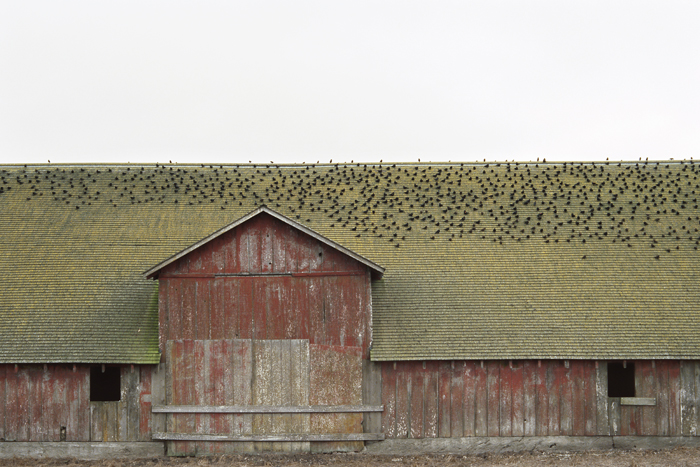
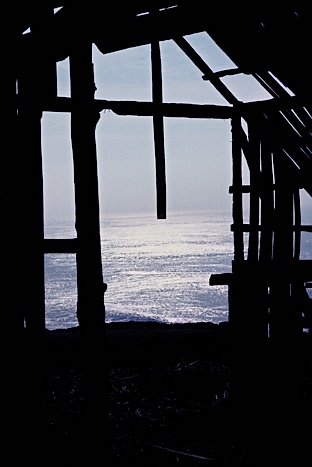
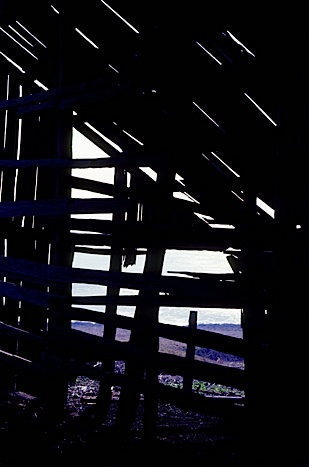
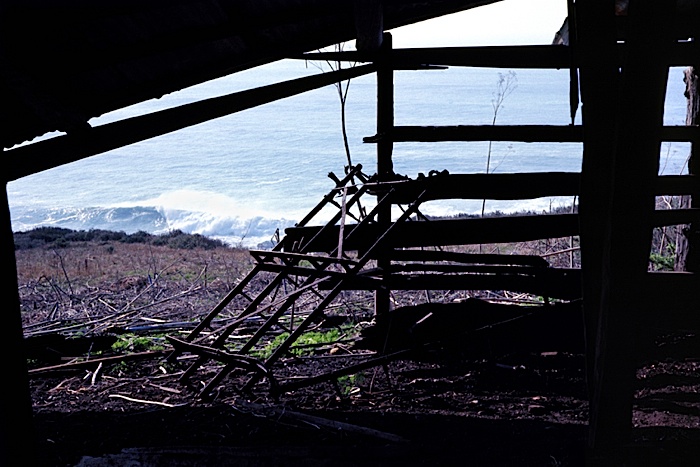
Agriculture - Agricultural Structures
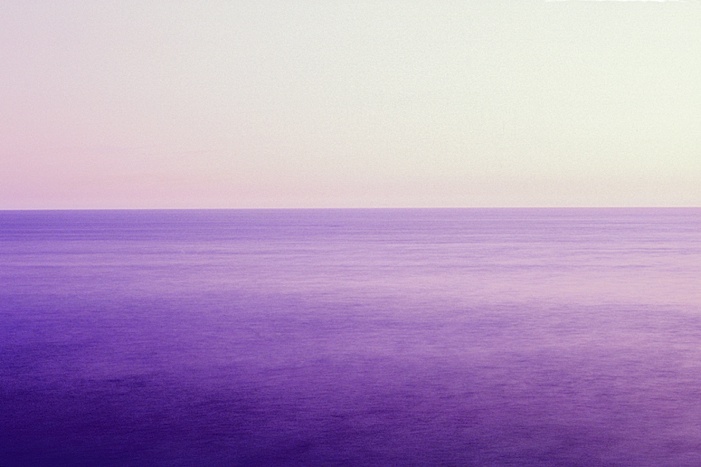
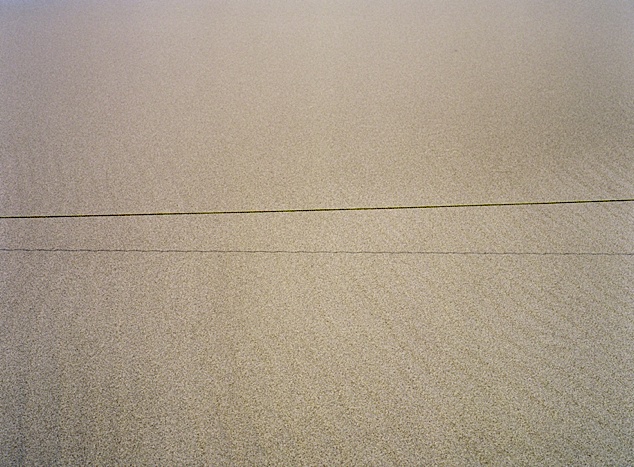
Color Fields
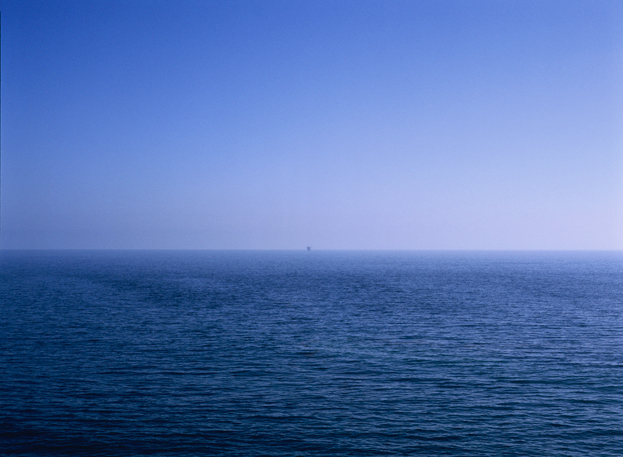
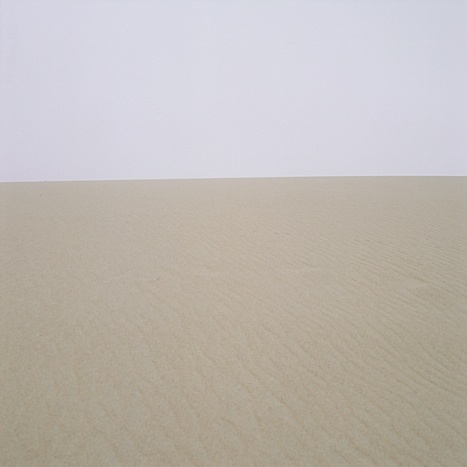
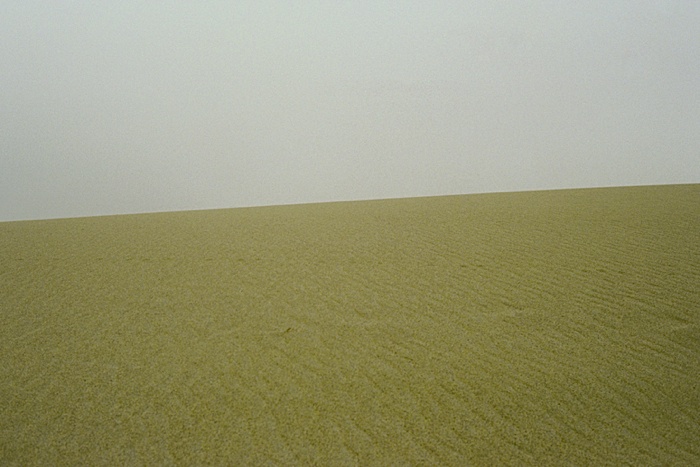
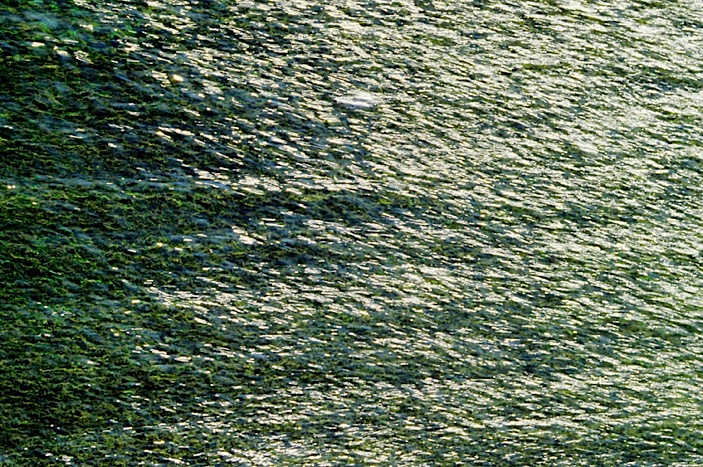
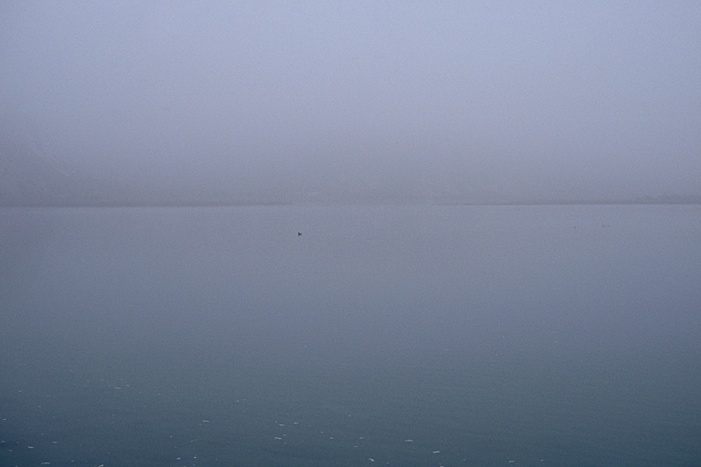
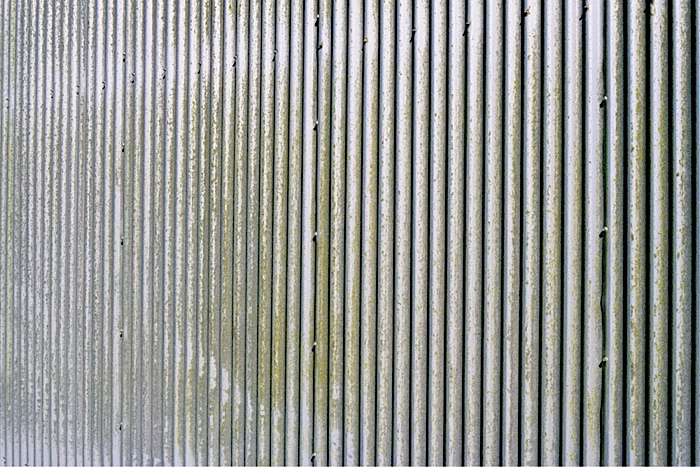
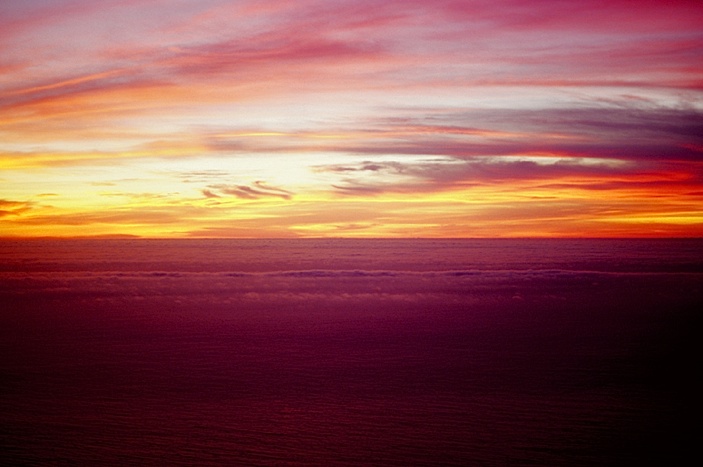
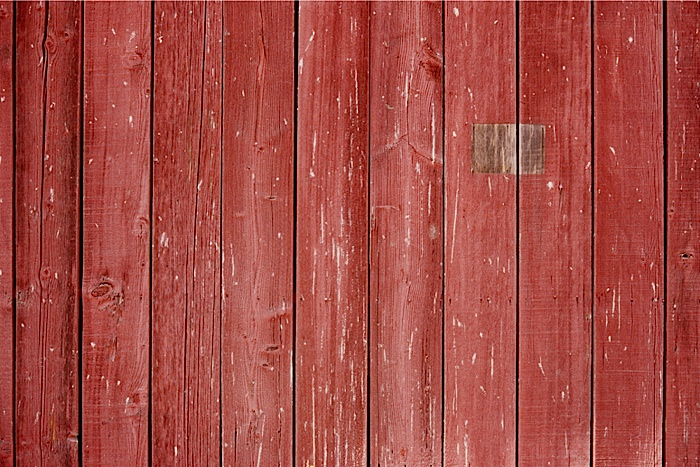
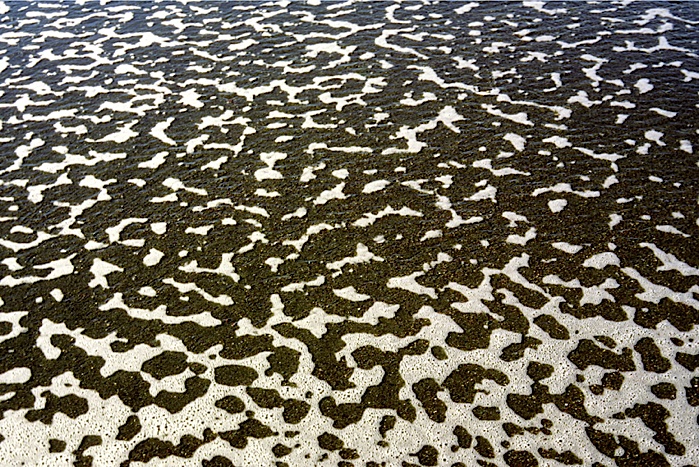
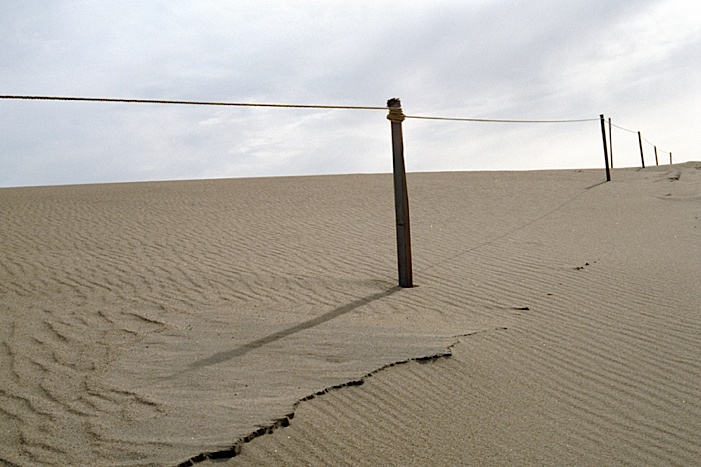
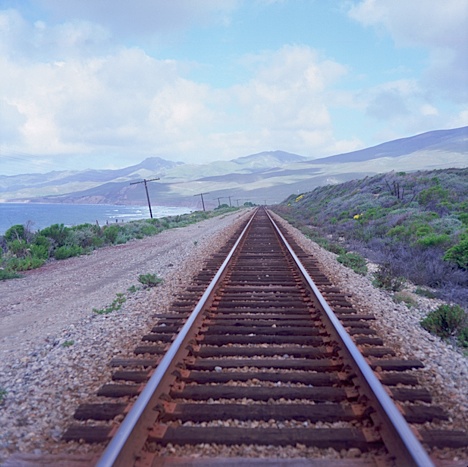
Landscapes
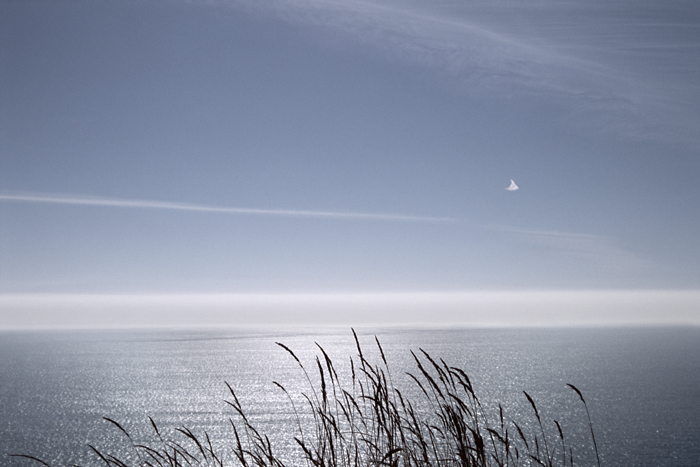
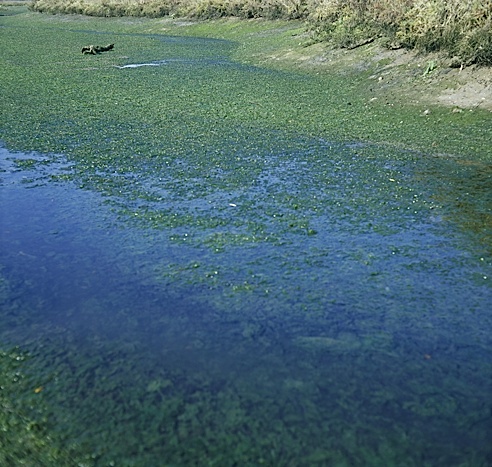
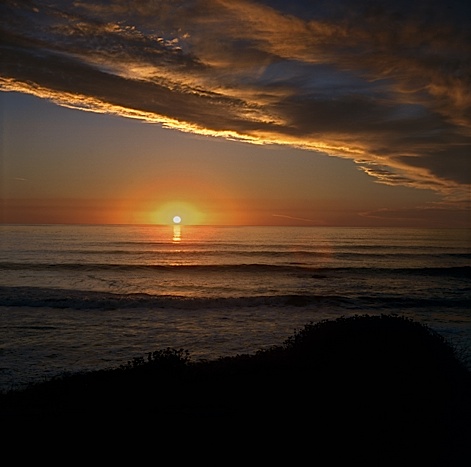
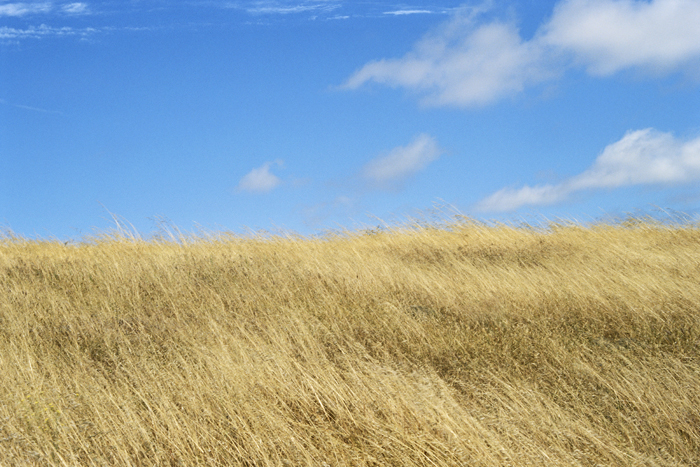
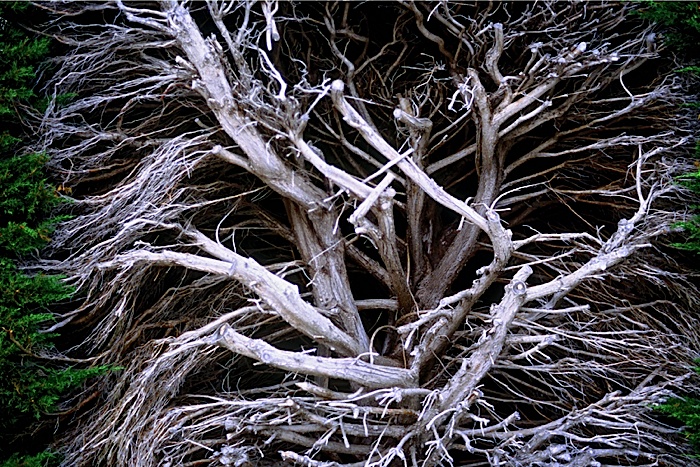
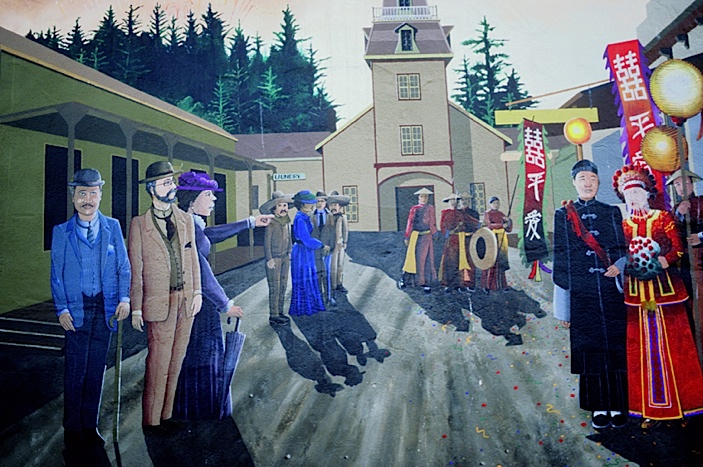
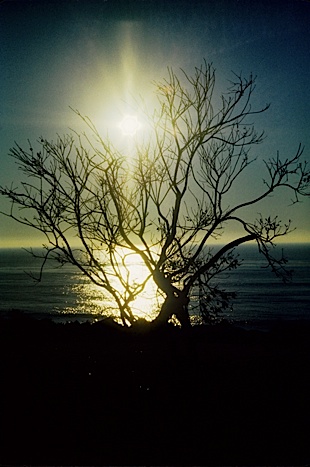
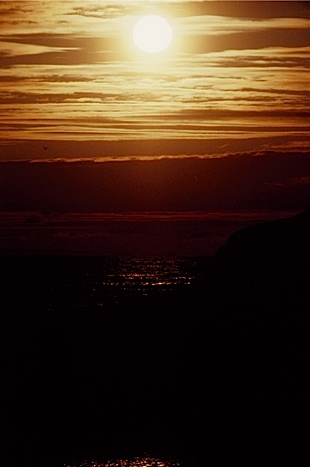
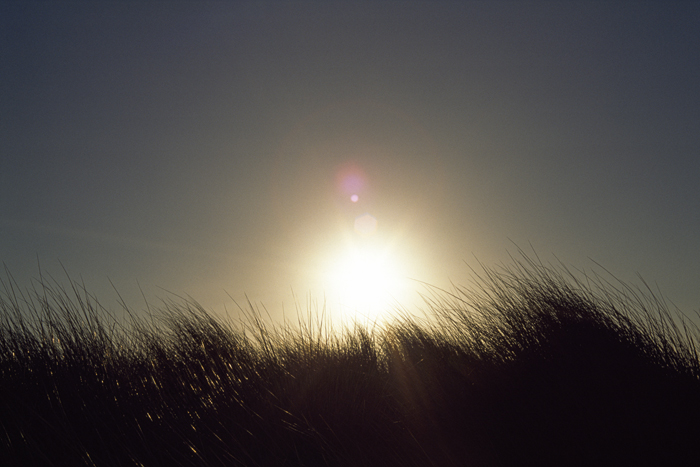
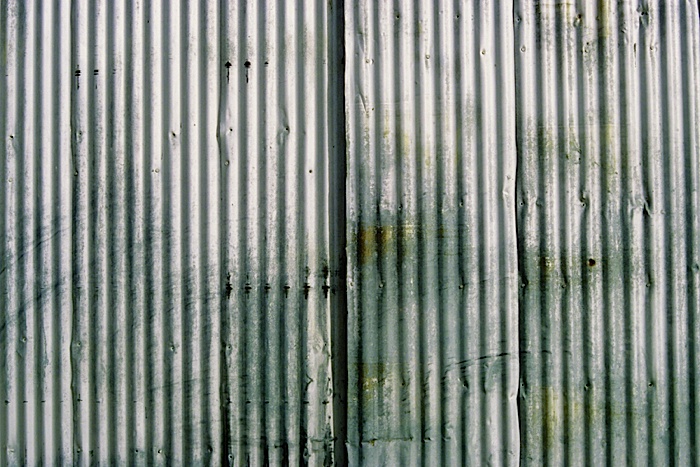
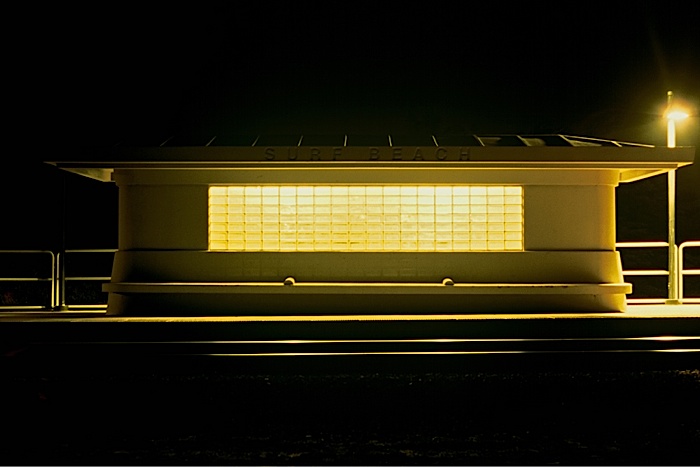
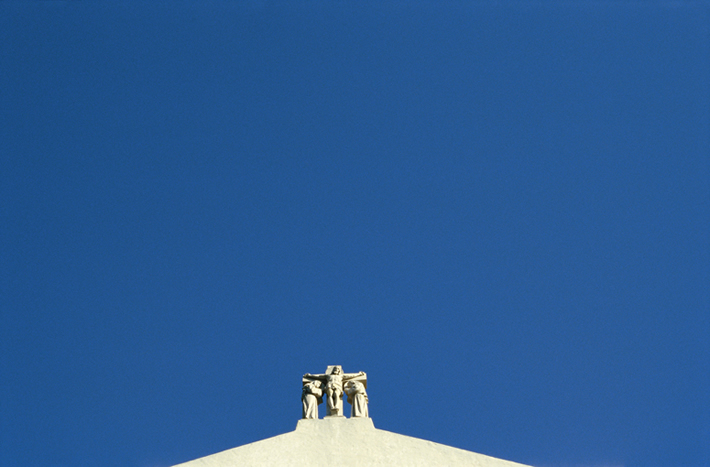
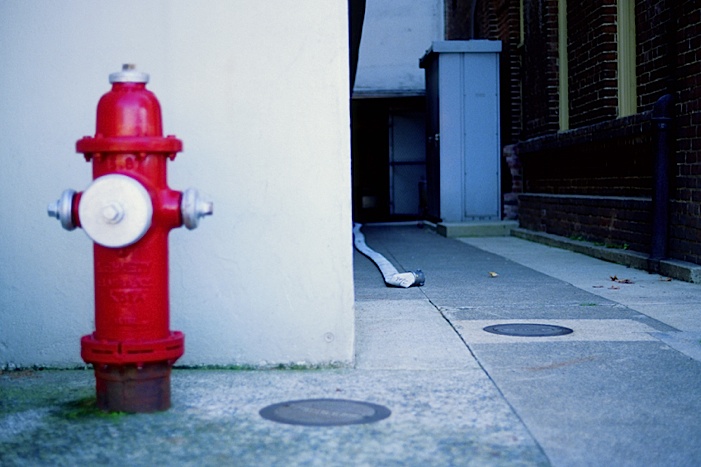
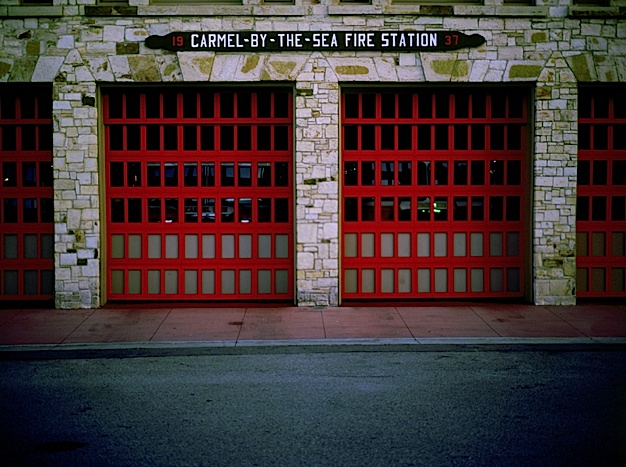
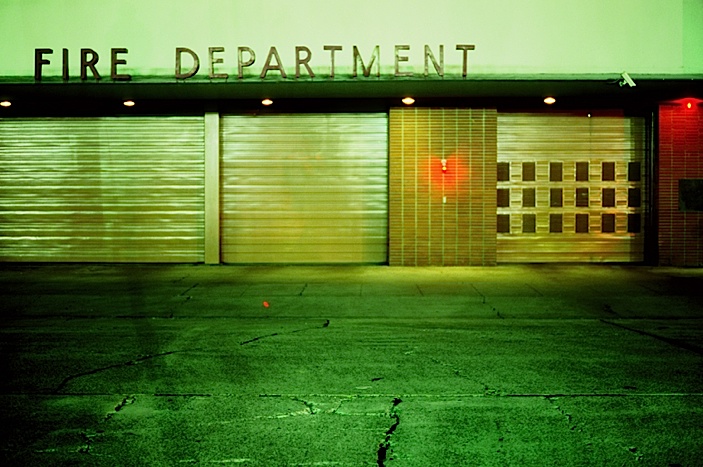
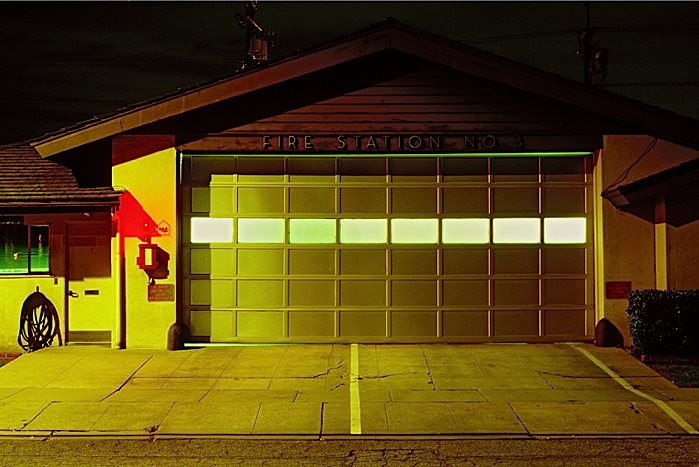
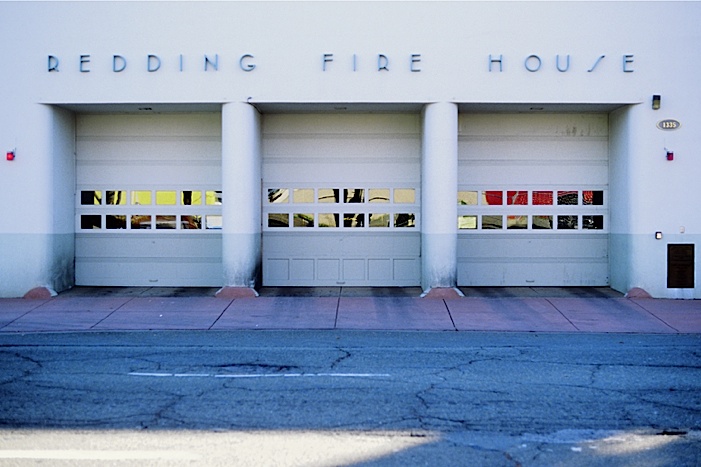
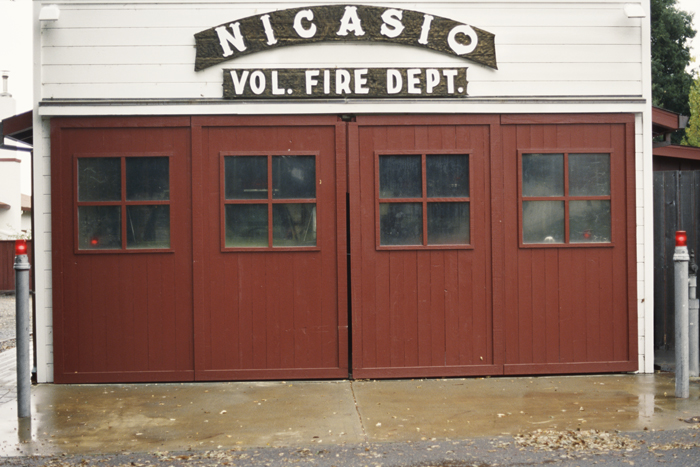
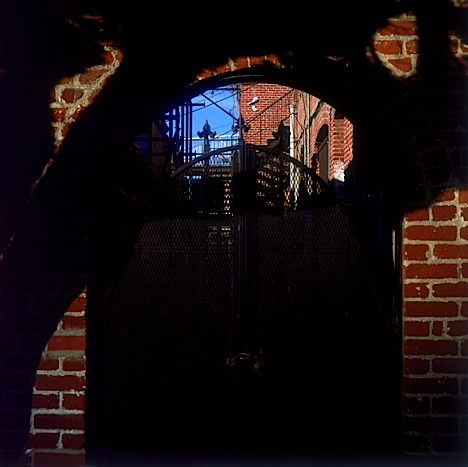
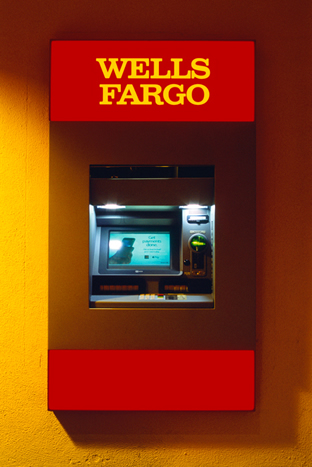
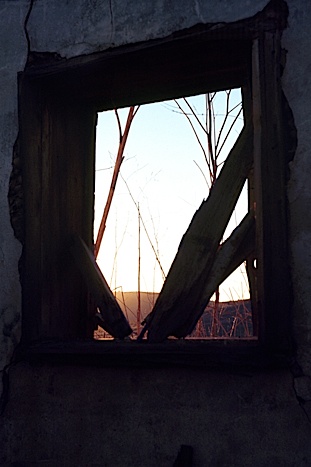
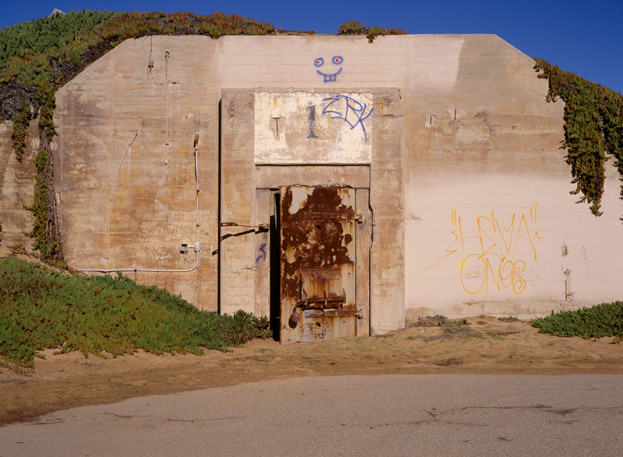
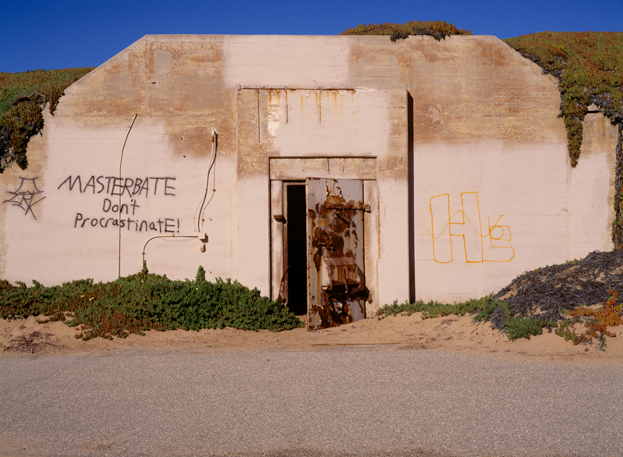
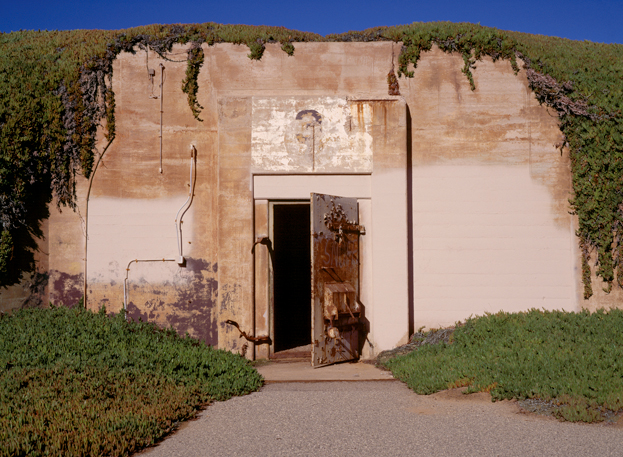
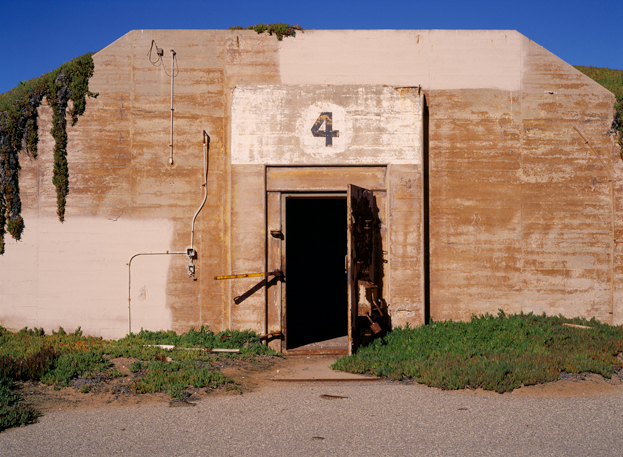
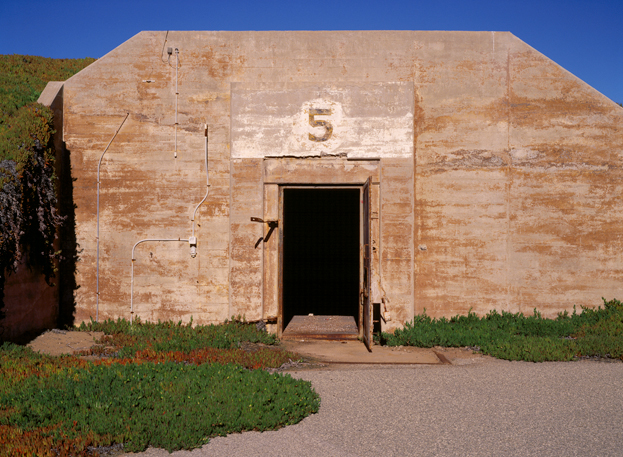
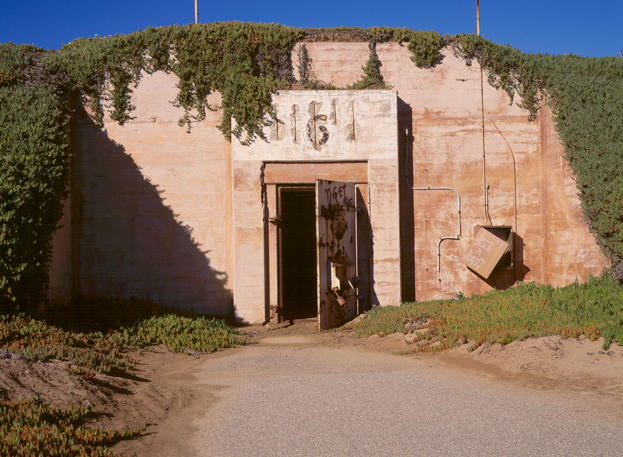
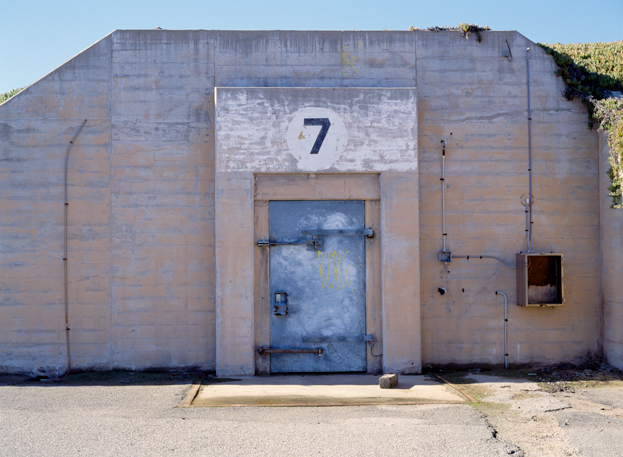
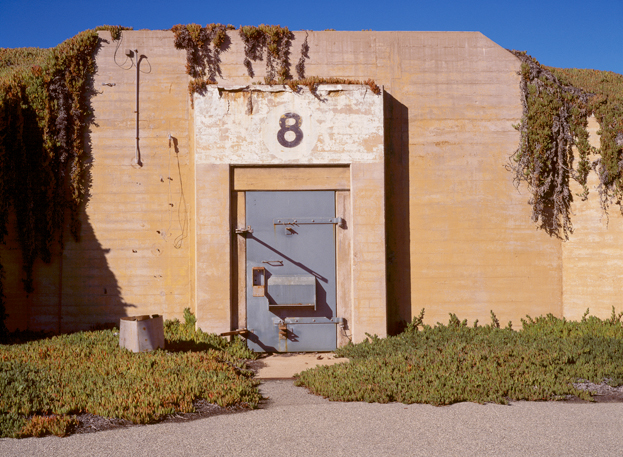
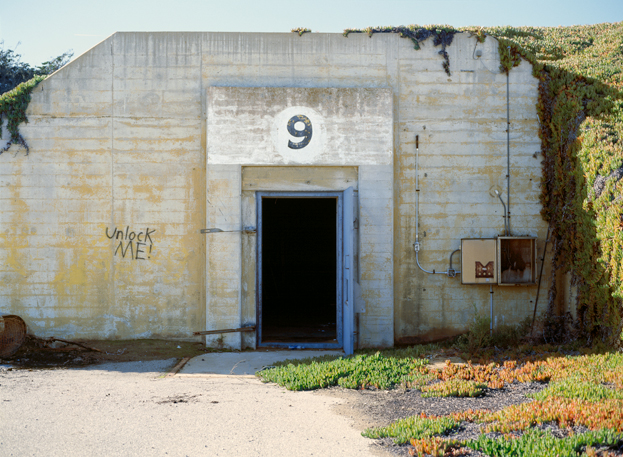
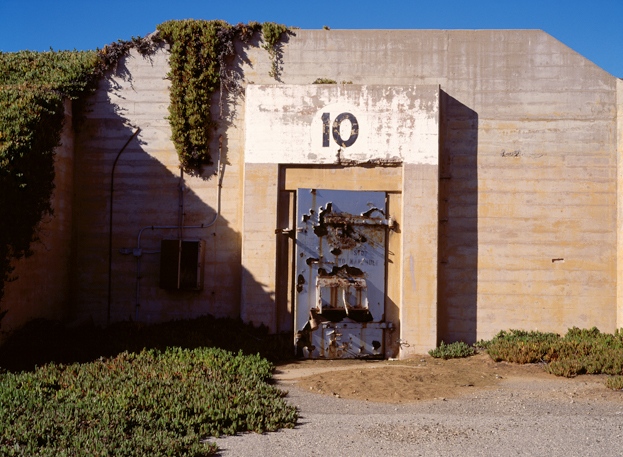
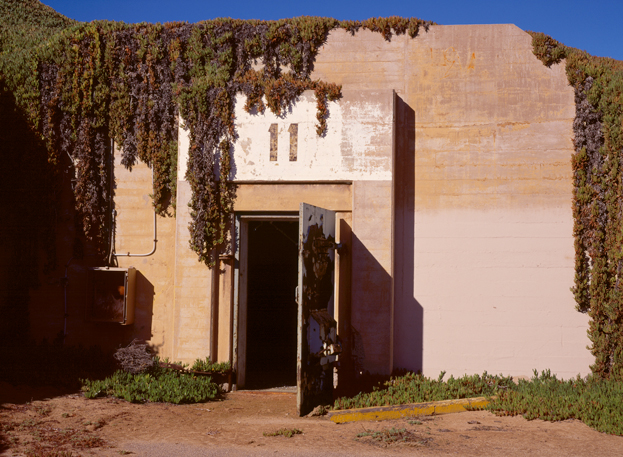
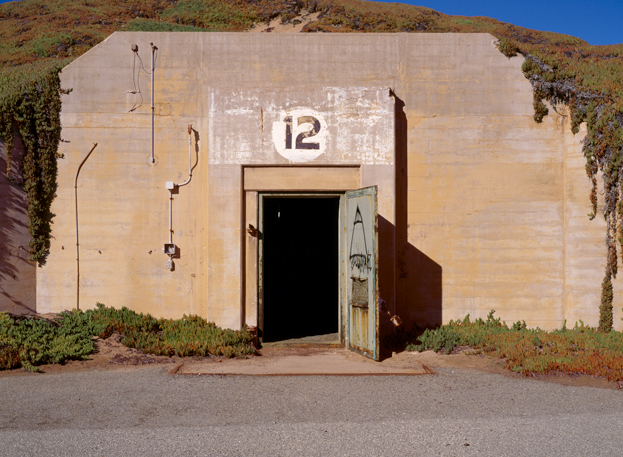
Structures
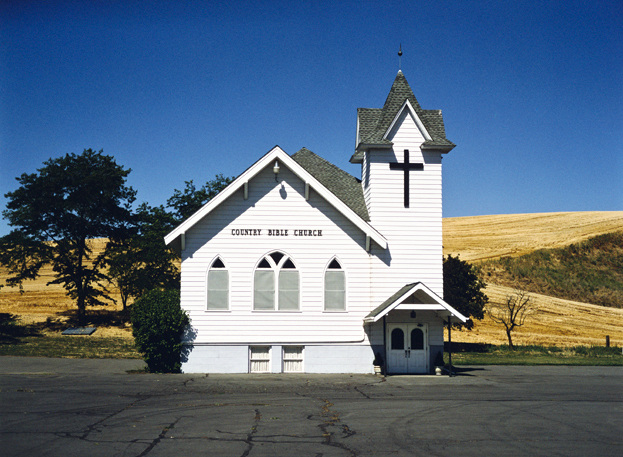
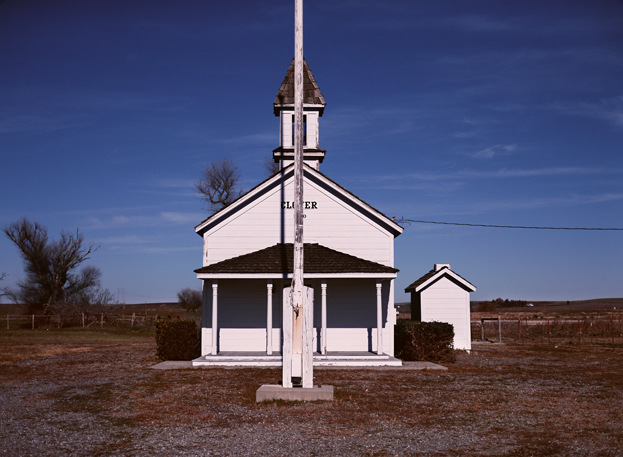
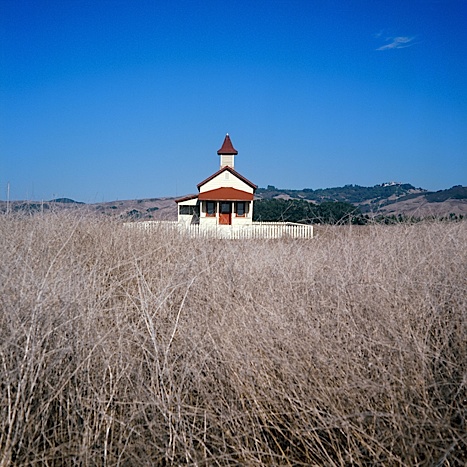

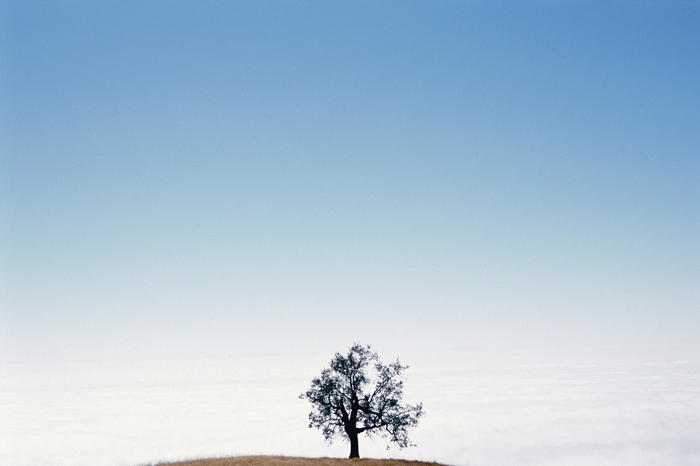
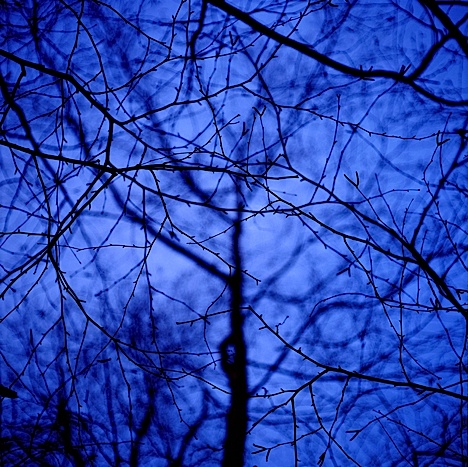
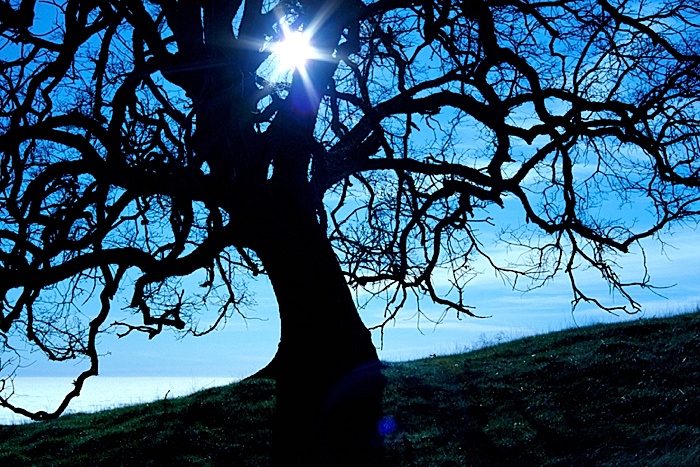
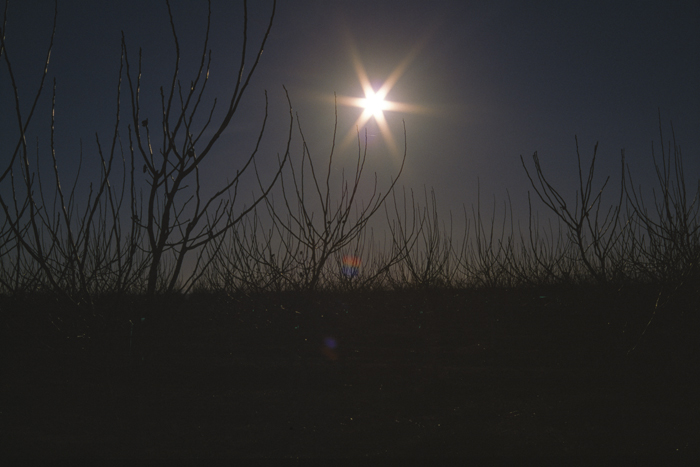
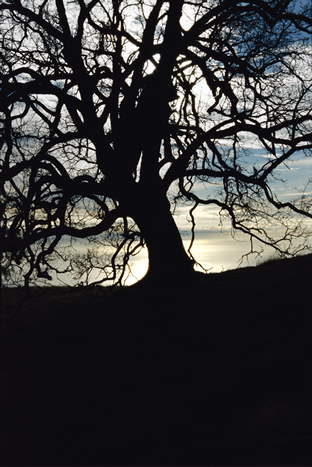
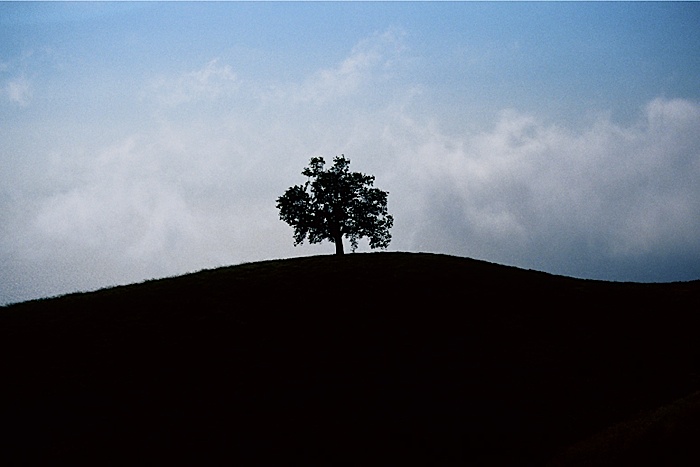
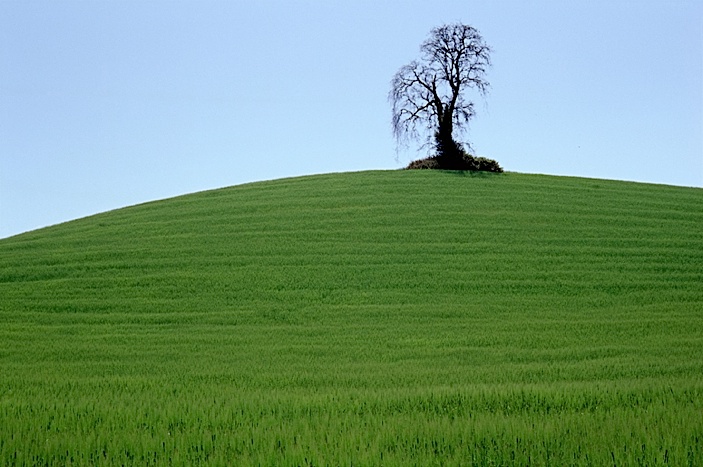
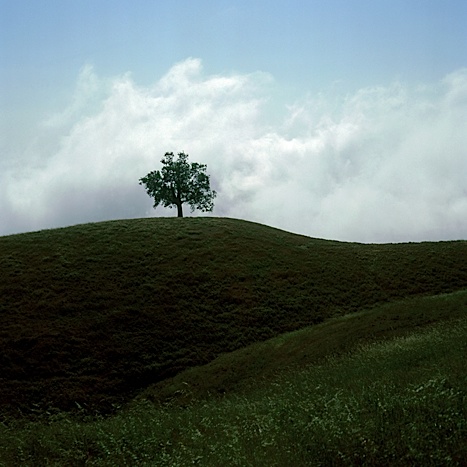
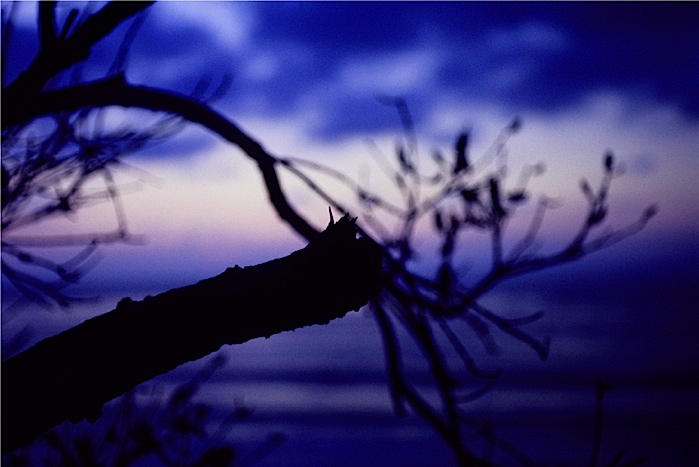
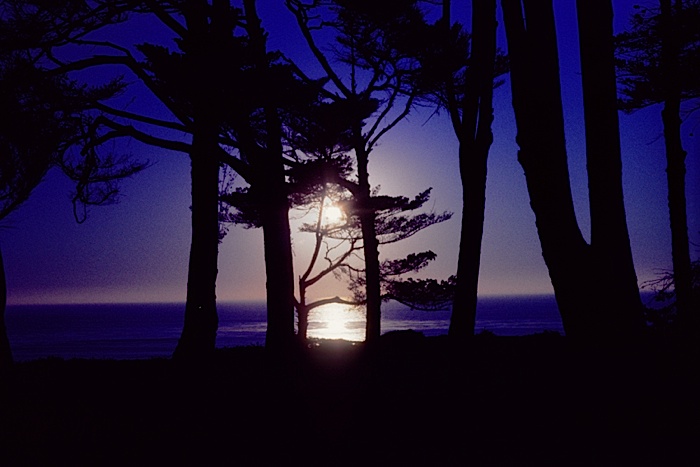
Trees